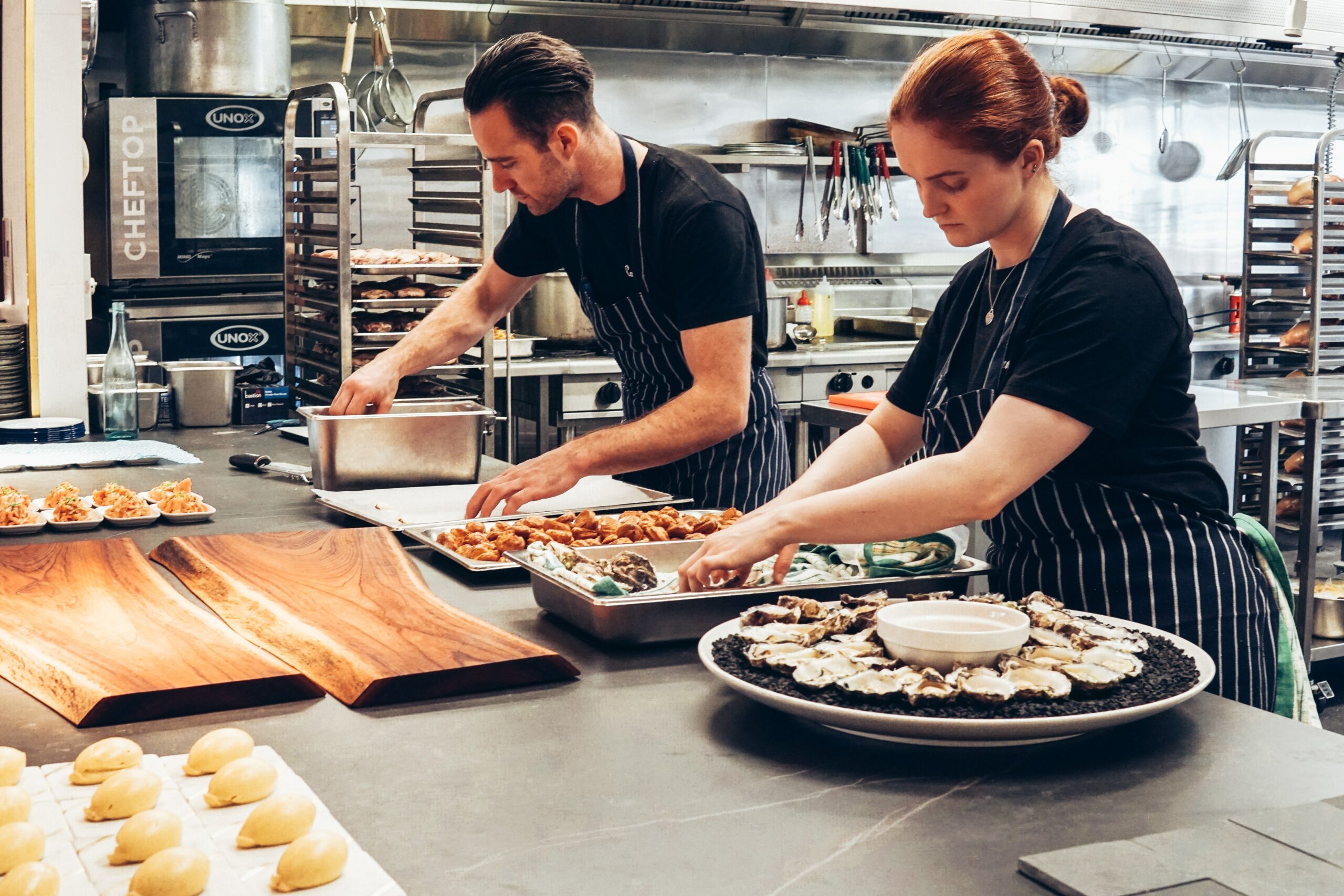
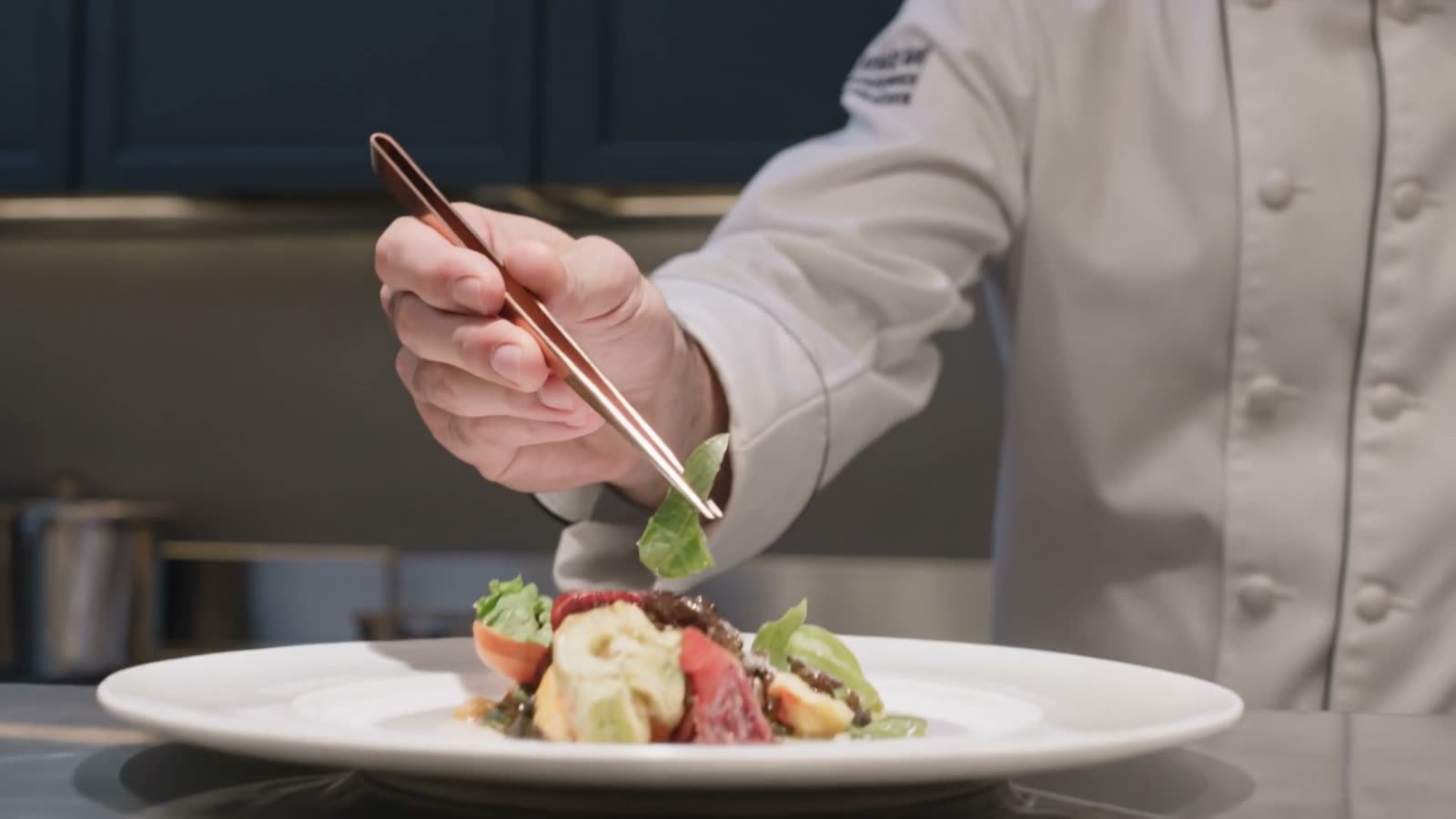

Temporary staffing solutions have changed. What used to be seen as a stop-gap is now a practical, career-building route for chefs who want to sharpen their skills, increase their earning potential, and gain more control over their time.
Whether you’re a commis looking to build confidence across different kitchens, a sous chef aiming for your next step, or a head chef who wants flexibility without stepping away from the industry, temporary positions can be a strategic move—especially in busy markets like Yorkshire and Leeds.
Temporary roles can accelerate skill development
In a permanent role, you tend to master one menu, one set of standards, and one kitchen rhythm. In temporary roles, you repeat the learning curve more often, which can make you faster, calmer, and more adaptable under pressure.
You’ll often improve high-impact skills quickly, such as:
- Speed and consistency across different service styles
- Mise en place discipline and prep planning for unfamiliar menus
- Section confidence (grill, sauce, larder, pass support) in new environments
- Communication with new teams, new head chefs, and different expectations
Over time, these experiences stack up into something employers value highly: proof that you can perform, anywhere.
You gain diverse kitchen experience without long commitments
One of the biggest professional advantages of temporary chef work is exposure. You can experience different types of operations while keeping your options open—whether you’re supporting short-term cover, short-term projects, or taking on one-off projects that build your CV.
Where temporary chefs often build experience
| Venue type | What you learn | Why it helps your career |
|---|---|---|
| Hotels | Structured service, banqueting, breakfast operations | Builds range and reliability under volume |
| Restaurants | Menu execution, standards, pace, plating accuracy | Strengthens technical ability and consistency |
| Gastro pubs | High covers, broad menus, fast resets | Improves speed, organisation, and section control |
| Events & functions | Tight timelines, bulk prep, teamwork (often alongside porters and cleaners) | Develops planning and pressure handling |
Cheffing is demanding, and many talented professionals leave because the lifestyle becomes unsustainable. Temporary work can be a way to stay in the industry while creating a healthier routine—particularly during busy periods and seasonal hiring employee surges when venues need reliable temp staff fast.
Depending on availability and local demand, temp roles can support:
- More control over your weekly schedule
- Breaks between assignments to recover properly
- Short-term work around family commitments or study
- A reset after burnout, without stepping away from kitchens completely
The key is working with a staffing partner that can match you to the right shifts quickly—and communicate clearly about expectations before you arrive on site, so you’re walking into the right people, the right section, and the right business culture.
Temporary roles can open doors to better permanent jobs
Temporary staffing solutions are not “less serious” work. In many cases, it becomes a low-risk way for both chefs and employers to assess fit—before offering full-time opportunities.
For chefs, this can mean:
- Getting seen by strong employers you wouldn’t reach through ads alone
- Building references across reputable venues
- Proving your capability in real service, not just at interview
- Identifying the kitchens where you thrive (and the ones you should avoid)
When you’re ready to go permanent, you’re making that move with clearer direction and a stronger track record.
The right temp agency makes all the difference
The benefits of temporary chef work depend heavily on the quality of the match. Poorly matched bookings lead to frustration on both sides. Good matching leads to confidence, repeat work, and progression—because experienced consultants and temporary recruitment consultants know how to fill a specific role properly (not just “send someone and hope”), and they understand the real cost of a bad match.
At DISH Hospitality, the approach is built for chefs who want temp work to feel professional, organised, and worthwhile—supporting hospitality staffing Leeds, Yorkshire, and the wider region with temporary staffing solutions that help venues hire temporary staff quickly and confidently:
- Tailored temporary and permanent staffing across Yorkshire and northern England
- A strong focus on chef recruitment, informed by founder Eddy Nuttall’s Michelin-kitchen background
- Real-time updates using workforce management technology
- A live temporary workforce of 50+ professionals deployed weekly, supporting short-term kitchen needs with speed and reliability
Many employers now lean on trusted partners for staffing because of turnover global labour shortages and unpredictable demand. That’s why some groups use an MSP (managed service provider) model for contract recruitment across multiple industries—hospitality, business support, admin, HR, finance roles, IT professionals, light industrial staff, and even the healthcare industry (including healthcare staff and medical staffing solutions Leeds). If you’ve seen national staffing solutions, stafforce hubs, accounting temp agencies Leeds, or medical staffing solutions Leeds mentioned elsewhere, the common thread is the same: getting the best options available depends on experts who can find the right people fast—ideally with a local recruiter who understands the market.
If you’re exploring temporary chef positions and want access to well-matched opportunities, you can learn more at DISH Hospitality.
How to get started with temporary chef work (without losing momentum)
If you’re considering temporary roles, a simple plan helps you get results quickly.
- Define your goal (more experience, better pay, flexibility, a route to a better permanent role).
- Be clear about your strengths (your best sections, service styles you’ve worked in, and what support you need).
- Choose roles that add range (avoid repeating the same kitchen type unless your goal is specialisation).
- Protect your standards (punctuality, kit ready, clean work, clear communication—this is what gets you rebooked).
Temporary positions aren’t a step back. For many chefs, they’re a smarter way to move forward—building skills, expanding experience, and creating a more sustainable career in hospitality.
Sources: