Hospitality has always been about more than selling a room, a meal or a drink. Experience-Led Hospitality is about creating a feeling, a lasting memory and a genuine reason for guests to return. The strongest hotels, restaurants and gastro pubs understand that every detail, from the welcome at the door to the final interaction, shapes the guest experience.That idea is becoming even more important as customers seek businesses that offer something distinctive. Across travel, retail, food and entertainment, experience-led businesses are creating stronger connections by focusing on how people feel before, during and after an interaction. This reflects the growth of the experience-led economy, where memorable interactions can be as important as the product itself.
For hospitality businesses, this shift creates a clear opportunity. The venues that stand out will not simply provide efficient service. They will design memorable experiences at every stage of the guest journey, from the first online search to post-stay engagement.
What is an experience-led business?
An experience-led business places the customer’s emotions, expectations and needs at the centre of its decisions. Its product still matters, but the product is only one part of the overall experience.
For a restaurant, that might include:
- The ease of booking
- The welcome at the door
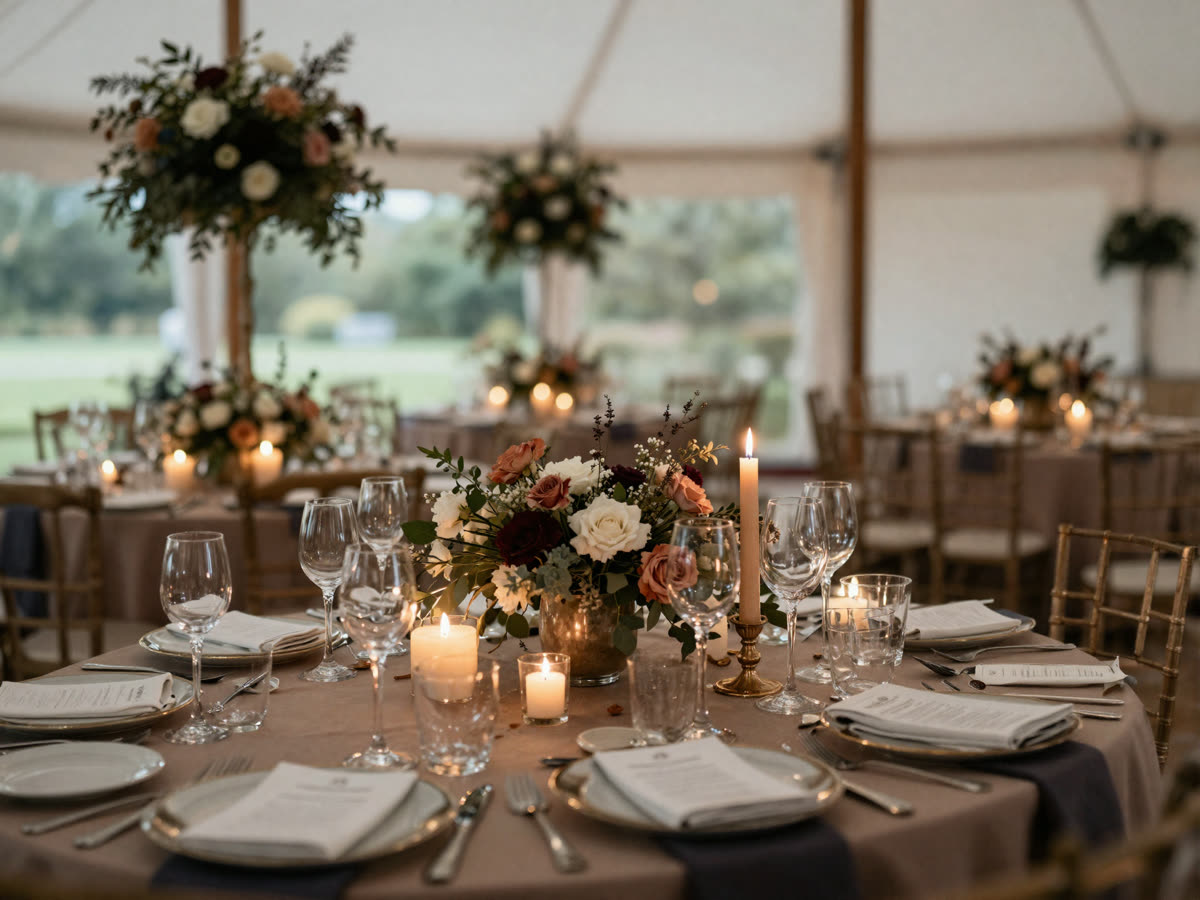
- The atmosphere and design
- The story behind the menu
- The confidence of the service team
- The pace of the meal
- The final impression when guests leave
- The follow-up that encourages them to return
For a hotel, the experience may begin when a guest discovers the property online. It continues through the booking process, arrival, guest rooms, dining, local recommendations and check-out.
This approach reflects a wider shift in consumer expectations. Recent hospitality research highlights the growing demand for personalised, authentic and memorable experiences, including local culture, experiential dining and tailored recommendations. Storytelling, human interaction and personalization can all help turn functional service into an exceptional hospitality experience. (assets.group.accor.com)
1. Compete on experience, not just on price
Price remains important, particularly when household budgets are under pressure. However, competing on price alone can make it difficult for an independent hotel, restaurant or gastro pub to build long-term loyalty.
Experience-led businesses ask a different question:
What can we offer that customers will remember and talk about?
The answer does not always require a large investment. It may come from a distinctive menu, a warm welcome, a strong local identity or a team that notices the small details.
A boutique hotel could provide a carefully selected guide to local walks, independent shops and restaurants. A gastro pub could build its menu around regional producers and explain the story behind each dish. A restaurant could create a service style that feels relaxed, knowledgeable and genuinely personal.
The goal is not to add unnecessary theatre. It is to make every part of the customer journey feel intentional and create an exceptional guest experience.
2. Treat the whole guest journey as one experience
Customers do not separate a business into departments. They experience one connected journey.
A delayed response to an enquiry can affect how a guest feels before arrival. A confusing booking process can reduce excitement. A rushed welcome can influence how they judge the room, food or service later.
Experience-led businesses review every touchpoint and look for gaps between the promise and the reality. This form of guest experience management helps hospitality organizations create more consistent service interactions across the entire guest journey.
Hotels, restaurants and hospitality groups can map the guest journey across five stages:
| Stage | Questions to consider |
|---|---|
| Discovery | Is the brand easy to understand online? |
| Booking | Is the process quick, clear and mobile-friendly? |
| Arrival | Does the welcome match the brand promise? |
| Experience | Are service, food, atmosphere and operations consistent? |
| Return | Is there a reason for the guest to come back? |
Personalisation, or personalization, is often associated with technology, data and automated recommendations. These tools can be useful, but hospitality has an advantage that many other industries do not: direct human contact.
A well-trained team can personalise an experience in ways that software cannot always replicate. Remembering a guest’s name, recognising a dietary requirement or recommending a dish based on a genuine conversation can create a powerful sense of care. These valuable guest interactions can turn a nice stay into a memorable one.
Personalisation does not mean making every experience completely different. It means giving staff the information, confidence and authority to respond appropriately.
This is one reason recruitment matters so much to experience-led hospitality. A skilled chef influences the food and the kitchen culture. A strong front-of-house professional shapes the tone of the visit. A capable manager connects service standards, team performance and commercial results.
DISH Hospitality supports hotels, restaurants and gastro pubs with permanent hospitality recruitment across chef, kitchen management, front-of-house and general management roles.
4. Turn employees into experience creators
The guest experience is delivered by people. Technology can support the process, but it cannot replace the judgement, warmth and adaptability of a great hospitality team.
Experience-led businesses understand that employees need more than a list of tasks. They need to know:
- What the business stands for
- Who the customer is
- What good customer service looks like
- Which decisions they can make independently
- How their role contributes to the wider experience
This requires clear training and regular communication. It also requires hiring people who suit the service style of the business.
A formal fine dining restaurant may need calm, detailed and highly knowledgeable staff. A busy gastro pub may prioritise energy, flexibility and strong team communication. A seasonal hotel may need people who can adapt quickly while maintaining consistent standards.
There is no single definition of the perfect hospitality worker. The right fit depends on the venue, its customers and the experience it wants to create. For hoteliers, investing in people is central to delivering an exceptional guest experience.
5. Use technology to remove friction
Experience-led businesses do not use technology simply because it is new. They use it to make the customer journey and the employee experience easier.
Useful technology can help hospitality businesses:
- Manage bookings more efficiently
- Share real-time information with customers
- Understand demand patterns
- Improve communication between departments
- Build stronger customer profiles
- Manage staffing levels during busy periods
- Respond quickly to operational changes
The best systems support human service rather than making it feel impersonal. Guests should experience smoother communication and seamless service interactions, not more automated barriers.
The same principle applies to recruitment. A slow hiring process can affect service quality, increase pressure on existing employees and lead to missed opportunities. Technology that provides real-time updates and improves candidate matching can help businesses respond more quickly while maintaining quality.
DISH Hospitality combines technology with personal recruitment support, using a database of more than 4,000 candidates and a live temporary workforce of more than 50 professionals available each week. Temporary staffing support can help venues respond to seasonal demand, live events and short-notice cover requirements. (dishhospitality.co.uk)
6. Build a stronger sense of place
Many experience-led businesses are successful because they feel rooted in their surroundings. They give customers a reason to choose them instead of a competitor that offers a similar product.
For hospitality, a strong sense of place can be expressed through:
- Regional ingredients
- Local suppliers and producers
- Interior design inspired by the area
- Stories connected to the building or community
- Partnerships with nearby attractions
- Recommendations from knowledgeable staff
- Events that bring local people together
This approach can work for hotels in cities, independent restaurants in market towns and gastro pubs in rural communities. It helps the business feel more authentic and gives guests an experience they cannot easily copy elsewhere.
Local identity is especially valuable for visitors who want more than a standardised stay. It can also build loyalty among local customers who see the venue as part of their community. For boutique hotels and lifestyle-led venues, the place itself can become one of the most valuable parts of the experience.
7. Design experiences that people want to share
Word-of-mouth remains a valuable source of business. Today, guests may share their experiences in person, through reviews or across social media.
However, experience-led businesses should not focus only on creating something that looks good in a photograph. Shareable experiences need to be genuine and useful. A beautiful dish cannot compensate for poor service or a disorganised visit.
The most effective moments often combine visual appeal with a strong story:
- A chef explaining the origin of an ingredient
- A seasonal menu linked to local producers
- A distinctive afternoon tea
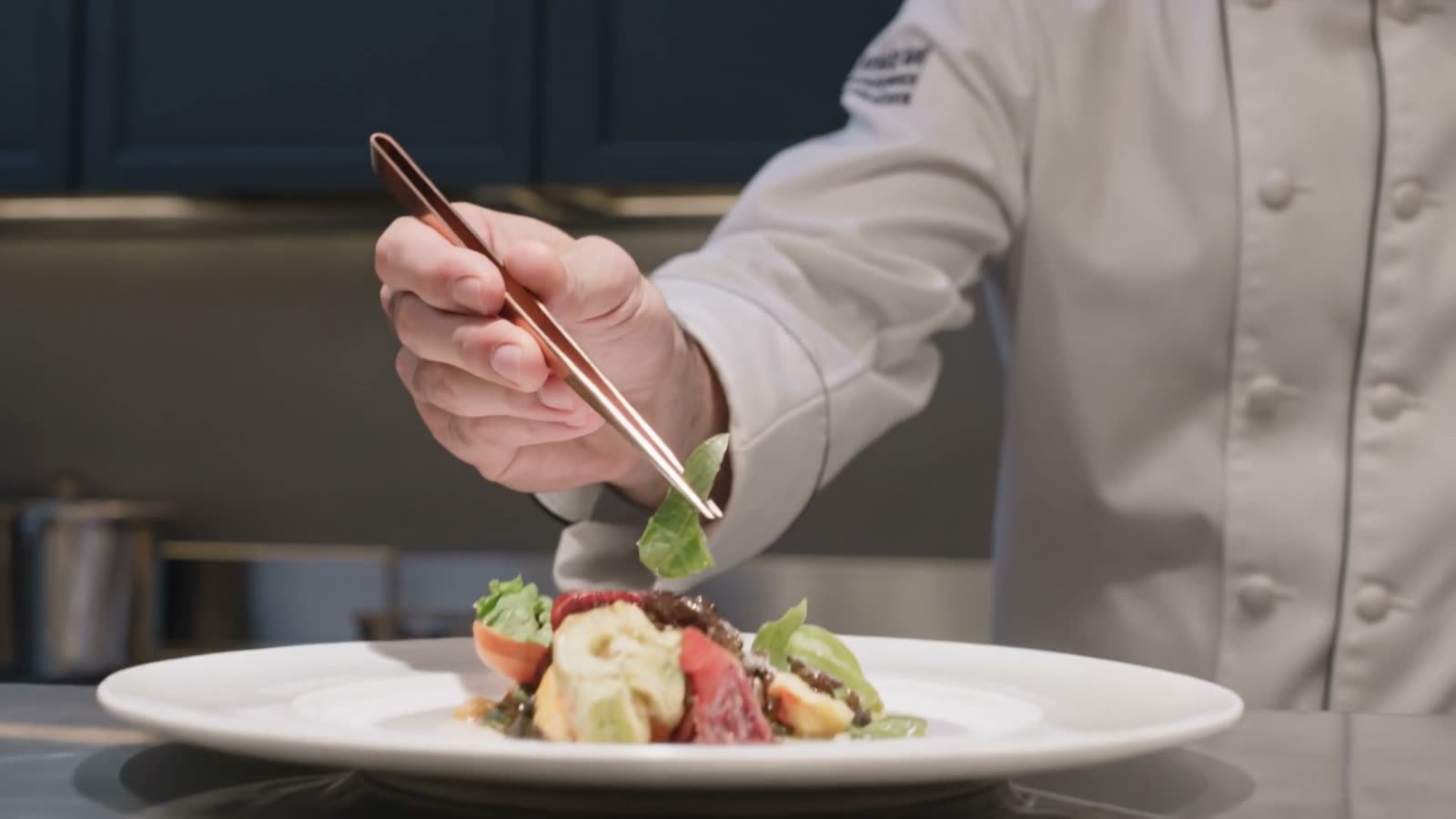
- A live cooking or food preparation element
- A thoughtful welcome gift
- A memorable event or themed dining experience
- Immersive dining concepts that connect food, design and storytelling
Live events, experience-driven restaurants and creative programming can all encourage guests to share their visit naturally. When the experience is strong, customers become more likely to recommend it and contribute positive guest feedback.
8. Measure memory, loyalty and return visits
Traditional hospitality metrics such as occupancy, covers, average spend and room revenue remain essential. Experience-led businesses add another layer by asking how customers felt and what they are likely to do next.
Useful measures may include:
- Repeat bookings
- Direct bookings
- Review sentiment and reputation
- Guest recommendations
- Customer complaints and recovery times
- Staff turnover
- Average length of stay
- Event and experience participation
- Email engagement
- Return visits from local customers
The purpose is not to measure everything. It is to understand which parts of the experience create loyalty and which parts cause frustration.
Guest feedback should also be included. Teams often notice operational problems before customers do. They can identify where service slows down, where communication fails and where additional training would have the greatest impact.
9. Build a workforce that can deliver consistently
A memorable experience cannot depend on one exceptional employee being present every day. It needs reliable systems, clear standards and a capable team.
This makes workforce planning a central part of experience design. Businesses need the right people in the right roles at the right time, particularly during:
- Seasonal peaks
- Weddings and private events
- Bank holidays
- New openings
- Staff holidays
- Unexpected absences
- Periods of increased demand
Temporary staff can provide immediate support, but they should still receive a clear brief and understand the venue’s expectations. When temporary workers return regularly, they become familiar with the operation and can contribute more confidently.
For longer-term roles, careful recruitment helps protect culture and service standards. DISH Hospitality offers specialist chef recruitment, front-of-house placements and permanent appointments for hotels, restaurants and gastro pubs across Yorkshire and northern England. Find out more about DISH Hospitality.
The future of hospitality is personal, consistent and memorable
The rise of experience-led businesses offers an important lesson for hospitality: customers remember how a business makes them feel.
That feeling is shaped by many small details. It comes from the booking process, the atmosphere, the food, the service, the speed of communication and the people behind the operation.
Hospitality businesses do not need to reinvent everything at once. They can start by reviewing the guest journey, speaking to their teams and identifying the moments that matter most. From there, they can improve personalisation, strengthen local identity, use technology more effectively and recruit people who support the desired service style.
The experience is now part of the product. Businesses that understand this will be better placed to attract hotel guests, retain employees and build lasting loyalty, turning guest stays into the foundation for a lifelong loyal guest.