
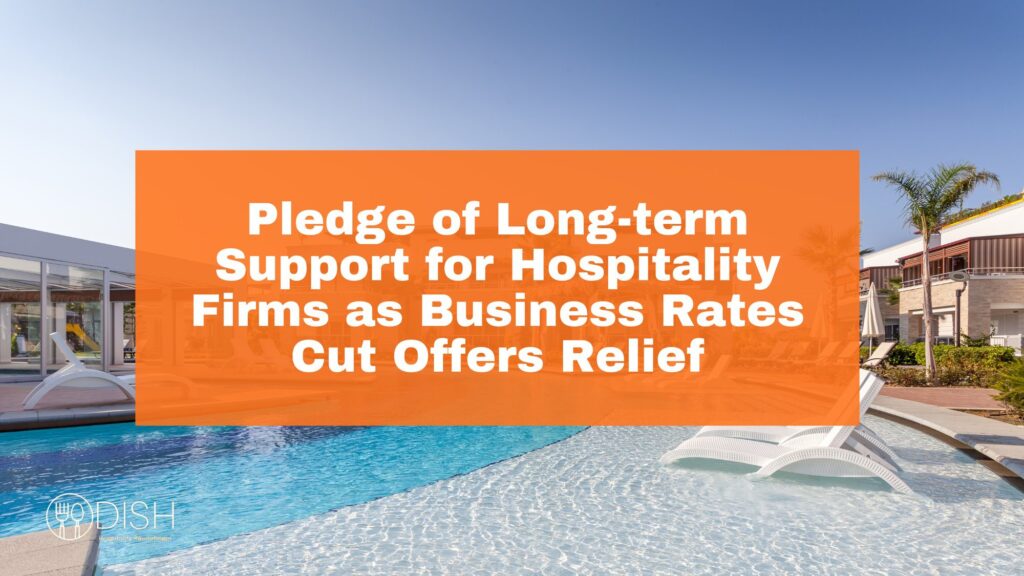
Hospitality businesses across England are set to receive further support after the Government announced a 20% cut to business rates for pubs, social clubs and live music venues from April 2027.
The measure is designed to reduce pressure on some of the country’s most important high street businesses. For hotels, restaurants, gastro pubs and event venues, the announcement also raises wider questions about whether longer-term support will eventually extend across the whole hospitality sector and other sector businesses.
What the business rates cut means
The new 20% reduction will apply to eligible pubs, social clubs and live music venues in England from April 2027. The Government expects the measure to support almost 32,000 venues, with a typical pub saving around £1,100 during the next financial year. (gov.uk)
The reduction will come on top of existing support. Eligible pubs and live music venues are already receiving a 15% relief on their 2026 to 2027 business rates bills. Their bills are also due to be frozen in real terms for two years from April 2027. (gov.uk)
The Government has said the additional discount will focus on businesses most in need. The largest live music venues will not be eligible for the new 20% reduction, with further details expected at the Budget. (gov.uk)
Why longer-term support matters
The announcement provides welcome help, but business rates are only one part of the cost pressures facing hospitality businesses. Employers are also managing rising wage bills, energy costs, food prices, recruitment challenges and changing customer spending habits.
A short-term reduction can help protect cash flow. However, long-term stability allows business owners to make more confident decisions about recruitment, training, refurbishment and expansion. This is particularly important for independent venues and privately owned hospitality businesses, which may have less financial flexibility than large groups.
Helen Morgan, the Liberal Democrat MP for North Shropshire, has previously called for wider support for the hospitality and tourism sector. Parliamentary responses have confirmed that the broader retail, hospitality and leisure sector will continue to benefit from a £4.3 billion support package, although most properties outside the specific pub and live music venue relief will not receive the new 20% discount. (questions-statements.parliament.uk)
For the UK hospitality industry, prolonged support could help hospitality firms manage business costs, rents and recovery measures beyond the immediate relief.
The impact on hotels and restaurants
Hotels, restaurants and gastro pubs remain central to local economies across Yorkshire and northern England. They create jobs, attract visitors and support supply chains ranging from food producers to event suppliers.
Although the new business rates cut is targeted at specific venue types, wider measures could still benefit the sector. Lower operating costs for pubs and social clubs may help protect local footfall, while stronger town centres can create opportunities for nearby restaurants, hotels, takeaways and entertainment businesses.
The key issue will be whether future policy recognises hospitality as a connected industry. A hotel may include a bar, restaurant, event space and live entertainment. A gastro pub may operate as both a food-led business and a community venue. Support that focuses too narrowly on one type of property may not reflect how modern hospitality businesses operate across the UK sector.
Recruitment will remain a priority
Financial support can help businesses retain staff, but it does not remove the need for effective recruitment. Hospitality employers still need access to reliable chefs, front-of-house teams, supervisors, kitchen managers and senior operational talent.
For many venues, the next stage will be using any available savings to strengthen their workforce. This could include:
- Retaining experienced team members
- Filling hard-to-cover chef vacancies
- Improving service levels during busy periods
- Preparing for seasonal demand and seasonal hiring
- Investing in staff training and development
- Reducing disruption caused by last-minute absences and high staff turnover
A reliable staffing partner can help businesses respond quickly while protecting service quality. Temporary recruitment is particularly useful for events, seasonal peaks, staff shortages and unexpected changes in demand.
How DISH Hospitality supports hospitality employers
At DISH Hospitality, we provide tailored recruitment solutions for hotels, restaurants, gastro pubs, event catering companies and seasonal venues across Yorkshire and northern England.
Our team combines more than 30 years of hospitality experience with a database of over 4,000 candidates. We support both temporary and permanent recruitment, with a focus on chefs and front-of-house professionals.
Our live temporary workforce includes more than 50 hospitality professionals available for weekly deployment. This gives businesses access to immediate support when they need additional cover, whether that means filling a rota gap, supporting a major event or managing a seasonal increase in trade.
We also provide permanent recruitment services for employers looking to build stable teams. Our chef recruitment expertise includes candidates with Michelin-starred kitchen experience, while executive chef placements benefit from founder Eddy Nuttall’s own background in Michelin kitchens.
Technology can improve workforce planning
The hospitality sector often needs to make staffing decisions quickly. Last-minute vacancies, changing bookings and fluctuating demand can all affect service delivery.
DISH Hospitality uses workforce management technology to provide real-time updates on opportunities and candidate availability. This helps employers and hospitality professionals stay informed, respond faster and reduce delays in the recruitment process.
For employers, better visibility can make workforce planning more efficient. For candidates, it can create a clearer route to suitable temporary and permanent roles.
What hospitality businesses should do next
The business rates announcement offers a reason for hospitality businesses to review their plans, but businesses should not wait until April 2027 to prepare.
Employers can begin by reviewing their current staffing model, identifying their busiest periods and assessing where recruitment support would have the greatest impact. It is also useful to consider which roles should be permanent and where temporary staffing could provide greater flexibility.
A practical workforce plan should include:
- Core permanent roles
- Temporary staffing requirements
- Seasonal recruitment needs
- Emergency cover arrangements
- Chef and front-of-house succession planning
- Training and retention priorities
This approach can help businesses use any financial relief to build stronger operations rather than simply offsetting rising costs. It can also help address wider HR challenges, including turnover and the need for retained HR support.
A positive step, but not the full solution
The 20% business rates cut is a positive development for eligible pubs, social clubs and live music venues. It may help protect jobs, support local high streets and give businesses more room to invest.
However, the wider hospitality industry will continue to need practical and consistent support. Hotels, restaurants, gastro pubs and event businesses face many of the same cost and staffing pressures, even when they do not qualify for the new relief.
Long-term support should therefore be linked to long-term workforce planning. Businesses that combine careful financial management with access to skilled hospitality professionals will be in a stronger position to adapt and grow.
For hospitality employers seeking chefs, front-of-house staff or flexible temporary cover, contact DISH Hospitality to discuss your recruitment requirements.