Hospitality runs on people, timing and attention to detail. A delayed handover, an unclear rota or an unexpected staff absence can affect the whole service, from the kitchen pass to the guest’s table. But it can be a frictionless hospitality.
Technology can help reduce these points of friction. Used well, it makes information easier to share, helps teams respond to changing demand and gives managers more time to focus on guests. But technology works best when it supports skilled people, not when it tries to replace the human judgement hospitality depends on.
What frictionless hospitality means
Frictionless hospitality does not mean removing every challenge or interaction. It means making everyday tasks simpler for guests, employees and managers.
For guests, that might mean clear booking information and a smooth arrival. For staff, it could mean receiving shift details in good time. For managers, it might mean having a better view of bookings, rotas and staffing needs.
Small improvements can have a wider effect. When staff know where they need to be and what is expected, they can prepare with confidence. When managers have clearer information, they can act sooner if plans change.
Where technology can make a difference
Hospitality businesses use a mix of digital tools to coordinate bookings, communicate with teams and manage work. The most useful systems are those that solve a real problem and fit naturally into the working day.
Clearer communication
Fast, reliable updates can prevent confusion about shift times, duties and changes to service plans. This matters when teams work different hours or staff move between venues.
For temporary workers, timely information can help them understand where to go and what to expect before arriving. For managers, clearer communication can make it easier to plan cover and keep the team informed.
Better workforce visibility
Digital workforce management can help businesses keep track of availability and staffing needs. With better visibility, managers can identify gaps earlier and make more considered decisions, rather than relying on last-minute calls and incomplete information.
This is especially valuable for hotels, restaurants, event caterers and seasonal venues, where demand may shift from one day to the next. A flexible staffing plan can help protect service when bookings rise, staff are absent or a busy event needs extra support.
Faster recruitment updates
Recruitment technology can help connect businesses with suitable candidates and keep people updated as opportunities arise. Speed matters, but it should not come at the cost of a good match. A candidate still needs the right skills and experience for the role, the team and the standards of the venue.
DISH Hospitality combines workforce management technology and real-time opportunity updates with a personal recruitment approach. Its live database includes more than 4,000 candidates, and its temporary workforce supports hospitality businesses with weekly placements. Find out about DISH Hospitality’s staffing solutions. (dishhospitality.co.uk)
Technology should support the human side of service
Hospitality is not a process that can be reduced to notifications and data. A system may show that a shift needs covering, but experience helps determine which chef or front-of-house professional is likely to suit the setting.
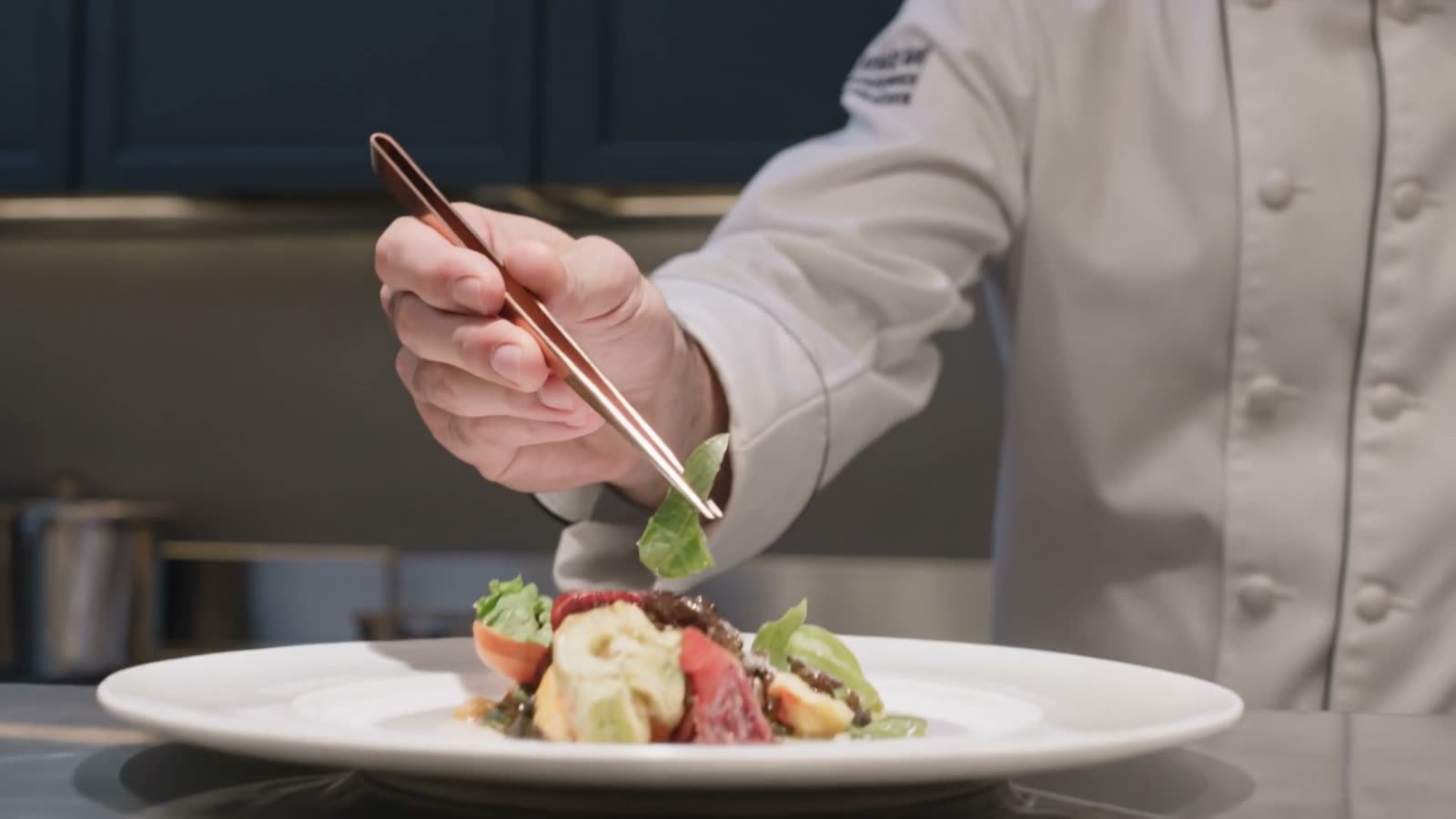
That human understanding matters in specialist environments. A fine-dining kitchen, a busy gastro pub and an event venue each have different rhythms and expectations. Recruiters who understand those differences can help businesses look beyond availability alone.
DISH Hospitality’s recruitment work is informed by more than 30 years of industry experience, including founder Eddy Nuttall’s background in Michelin kitchens. That experience helps bring practical insight to chef recruitment and staffing decisions. (dishhospitality.co.uk)
A practical approach for hospitality businesses
Before adopting a new tool or changing a process, identify where friction is happening. Is information reaching staff too late? Are managers struggling to see who is available? Do candidates lose interest because the recruitment process is slow or unclear?
Start with one clear need, then check whether the solution makes work easier for the people using it. Useful technology should support straightforward communication, accurate information and timely decisions. It should also leave room for personal contact when a situation calls for it.
For staffing, planning ahead can make a real difference. Businesses can review known busy periods, identify roles that are difficult to cover and agree how they will respond to short-notice gaps. A recruitment partner can help manage both immediate temporary needs and longer-term permanent vacancies. Explore temporary staffing or contact DISH Hospitality to discuss your requirements. (dishhospitality.co.uk)
Making hospitality smoother for everyone
Technology can make hospitality more responsive by improving communication, visibility and access to staffing support. But the goal is not technology for its own sake. The goal is a better-run service, a more prepared team and a more consistent experience for guests.
When digital tools are combined with industry knowledge and personal service, businesses can respond to change without losing the human connection that makes hospitality memorable.