Price matters, but it is rarely the only reason a guest returns.
What customers remember is how your team made them feel. A familiar welcome, a preferred table, a well-timed recommendation or a thoughtful response to a special request can turn a good visit into an unforgettable guest experience. This personalized service shows guests that their needs are recognised and valued. Over time, these small details build trust, encourage repeat bookings, create greater customer loyalty and lead to valuable word-of-mouth referrals.
For hotels, restaurants, gastro pubs and event venues, personalized customer care is not an extra. It is a practical personalized service strategy that strengthens loyalty, protects long-term revenue and helps businesses meet changing customer expectations.
Personalized service creates emotional connections
Guests want to feel recognised rather than processed. When a team remembers a name, notices a preference or anticipates a need, the experience becomes more personal for the individual customer.
This does not always require expensive technology or elaborate gestures. It may be as simple as:
- Remembering a regular guest’s favourite beverage
- Offering a quieter table to a returning customer
- Noting a guest’s dietary requirements before they ask
- Preparing a child’s usual breakfast order
- Recommending a dish based on a previous visit
- Checking in at the right moment without interrupting
These details show that your team is paying attention. That attention creates a stronger connection than a discount alone. As EHL Insights and hospitality case studies often highlight, thoughtful personalisation can be one of the fundamental aspects of a strong overall guest experience and a personalized customer service experience.
The same principle applies to every unique shopper or guest. Understanding their specific wants during initial conversations can help staff make personalized service second nature rather than something that feels scripted.
Consistency turns good personalized service into trust
One excellent experience can impress a guest. Consistently excellent experiences give them a reason to return and support increased customer loyalty.
Guests should receive the same high standard whether they visit on a quiet Tuesday, a busy Saturday or during the peak summer season. This means every member of the team must understand your service expectations and have the skills, confidence and support to deliver them.
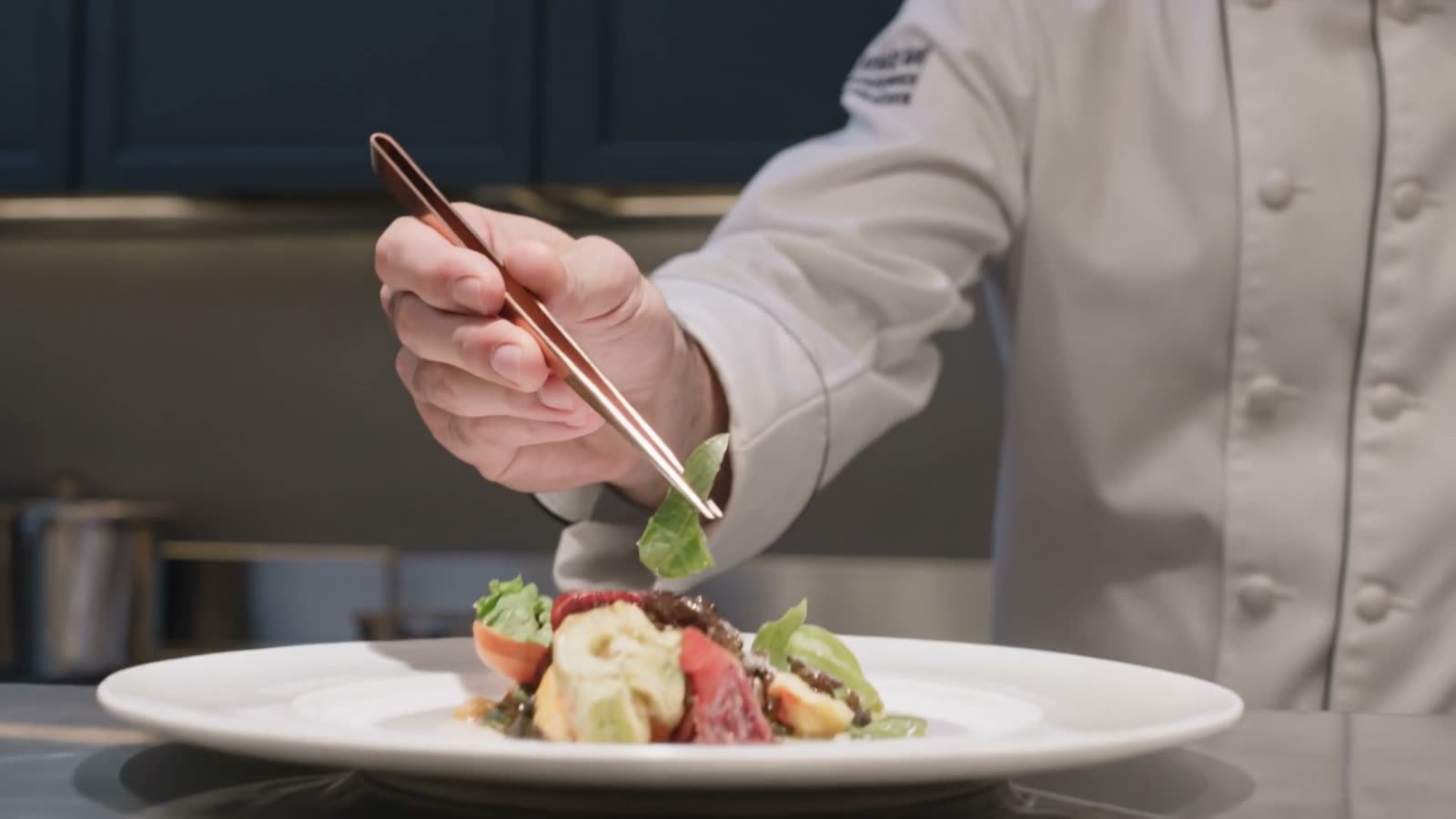
Consistency depends on more than written procedures. It also relies on having the right people in the right roles. Experienced chefs help maintain food quality, while capable front-of-house staff protect the guest journey from arrival to departure.
DISH Hospitality Recruitment supports hotels, restaurants and hospitality venues across Yorkshire, the North East, the North West and beyond with both temporary staffing solutions and permanent recruitment. (dishhospitality.co.uk)
Small details are often more powerful than lower prices
Discounts can encourage a first booking, but they do not always create loyalty. If the service feels rushed, inconsistent or impersonal, a lower price may not be enough to bring the guest back.
Personalised experiences offer something more valuable: a reason to choose your business again, generate more business and build loyal customer relationships.
A returning guest may remember:
- The team member who greeted them by name
- The chef who adapted a dish with care
- The manager who resolved a problem quickly
- The room prepared with their usual preferences
- The server who made a useful, thoughtful recommendation
These moments help your venue stand out in a competitive market. They also give guests something positive to talk about when recommending you to friends, family or colleagues. This kind of personalized service can help create memorable guest experiences, make a measurable impression and build lasting relationships.
Your team is the foundation of personalization
Technology can help your business record preferences, manage bookings and share guest information. Digital tools, integrations and platforms such as Hotelsync, dixa and HubSpot can support this process, while customer relationship management systems help teams organise the right customer data. However, people are still responsible for turning that information into a warm and natural experience.
A guest profile may show that someone prefers a particular room or often orders a certain dish. A skilled team member knows when and how to use that information without making the interaction feel forced. Used well, customer service personalization can support more personalized service throughout the customer journey and purchasing journey.
This is why recruitment should focus on more than availability. Hospitality professionals need the right combination of technical ability, communication skills, judgement and attitude to deliver next-level support and meet both guest and brand needs.
When hiring, consider whether candidates can:
- Listen carefully to guests
- Notice details without being intrusive
- Stay calm during busy periods
- Communicate clearly with colleagues
- Solve problems with confidence
- Maintain service standards under pressure
- Represent the personality of your venue
A strong team makes personalised service feel effortless.
Training helps teams deliver a reliable guest journey
Even experienced hospitality professionals need clear guidance when joining a new business. Every venue has its own tone, standards and expectations.
Effective onboarding should explain:
- How guests should be welcomed
- What information should be recorded
- Which service details matter most
- How special requests are shared between departments
- How complaints should be handled
- When staff should involve a manager
- What the business wants guests to remember
Training should also continue after the first few shifts. Regular feedback helps staff understand what is working and where guest experience management can improve. It also helps support teams handle customer service conversations with greater confidence.
For temporary teams, a simple and focused induction is especially important. Temporary staff should quickly understand the venue’s standards, service style and priorities. This helps them contribute confidently without disrupting the experience for guests or permanent colleagues.
Communication keeps personal service consistent
Personalization can easily break down when information is not shared.
A guest may tell the reservations team about an allergy, mention a preference at reception or make a request during a previous visit. If that customer information does not reach the relevant staff, the guest may need to repeat themselves or receive an inconsistent response when raising a personal customer issue.
Strong communication between departments helps prevent these gaps. Hotels, restaurants and event venues should create clear processes for sharing important guest information between:
- Reservations
- Reception
- Food and beverage teams
- Housekeeping
- The kitchen
- Events teams
- Managers and supervisors
Technology can support this process by giving teams faster access to updates. However, systems only work when staff use them consistently and understand why accurate information matters. A well-connected operating system can also improve F&B operations and reduce avoidable gaps in service, creating major benefits for support experiences and overall satisfaction.
The right staffing levels protect the guest experience
Understaffing is one of the quickest ways to lose consistency. When teams are stretched, small details disappear. Staff may have less time to listen, respond and anticipate what guests need.
Long queues, delayed meals and rushed conversations can all affect how a guest remembers their visit. Even the most experienced team will struggle to deliver a personal experience if there are not enough people available.
Flexible staffing can help businesses maintain standards during:
- Seasonal peaks
- Weddings and private events
- Bank holidays
- Unexpected absences
- Large group bookings
- Sudden increases in demand
- New venue launches
DISH Hospitality provides access to experienced temporary chefs, front-of-house professionals and managers, helping businesses respond quickly while protecting service quality. Its wider recruitment offering also supports longer-term hiring needs, from head chefs and sous chefs to general managers. (dishhospitality.co.uk)
Measure loyalty, not only sales
Revenue is important, but it does not tell the full story of the guest experience. Businesses should also monitor the signals that show whether customers feel valued and whether personalization methods are having a major impact.
Useful measures include:
- Repeat booking rates
- Direct bookings from returning guests
- Guest review sentiment
- Referral numbers
- Average spend from repeat customers
- Complaint resolution times
- Requests for specific team members
- Guest feedback about personal service
It is also helpful to ask open questions after a visit. Instead of only asking whether a guest was satisfied, ask what they remembered, what felt personal and what could have been better. These asked questions can reveal valuable patterns across different guest groups. The annual Gladly Customer Expectations Report and wider customer acquisition research also show why businesses need to look beyond basic satisfaction measures when assessing customer expectations.
These insights can help managers identify which small details are making the biggest difference and turn feedback into actionable insights for service improvements. Diving deeper into guest feedback can reveal opportunities to refine the customer service strategy and improve the resolution of recurring issues.
Personalization starts with your people
A memorable guest experience is built through hundreds of small decisions. It comes from staff who notice, remember, communicate and care.
Businesses that focus only on price may attract attention, but businesses that deliver reliable and personal service are more likely to earn loyalty. Guests return when they know they will be welcomed, understood and looked after every time they visit.
That standard begins with recruitment. By building a team with the right skills, attitude and experience, hospitality businesses can create the consistent service that drives repeat business, referrals and more business across hotels, restaurants and tourism venues. These are among the main advantages of a well-planned personalized customer service strategy, whether it is informed by a direct-to-consumer personalization guide or adapted to the specific needs of a hospitality brand.
To discuss your staffing requirements, contact DISH Hospitality Recruitment or submit a job vacancy.