

Exceptional hospitality is about more than serving food, preparing rooms or managing a busy shift. It is the ability to make people feel welcome, valued and confident in the experience they are receiving.
The best hospitality professionals combine practical skill with emotional intelligence. They understand that every detail matters, from the guest’s arrival and first greeting to the final goodbye. They also know how to stay calm, support their hospitality team and protect service standards when the pressure rises. This requires dedication, passion and genuine concern for people.
For hotels, restaurants, gastro pubs, luxury venues and event venues, finding people with these qualities can make a clear difference to guest satisfaction and team performance. For candidates, developing these strengths can help build a successful and rewarding professional career in the hospitality industry.
1. A genuine focus on the guest
Exceptional hospitality starts with understanding the guest.
This does not mean following a script or treating every customer in exactly the same way. It means paying attention, listening carefully and noticing what each person needs. A great front-of-house professional may recognise when a guest wants quick service, while another may appreciate a more personal recommendation. This level of guest care requires empathy, discretion, warmth and a genuine commitment to excellence.
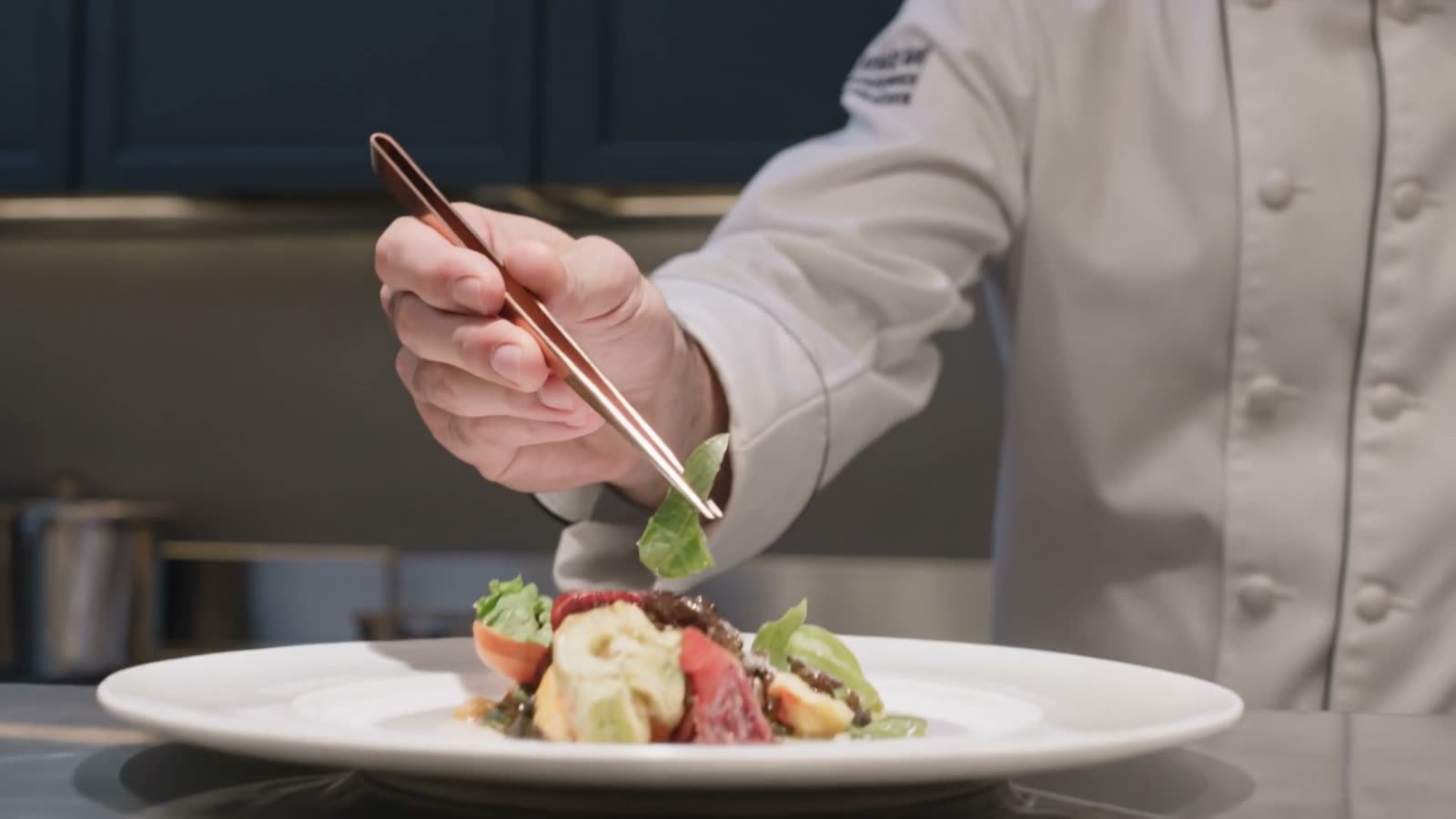
In the kitchen, guest focus is just as important. It can be seen in careful preparation, consistent presentation and respect for dietary requirements. Every plate contributes to the guest’s overall impression of the business and supports guest satisfaction metrics. Understanding guest needs is at the heart of a positive guest experience.
2. Clear and confident communication
Hospitality depends on communication at every level. Staff must share information with colleagues, understand instructions and communicate clearly with guests.
Strong communication includes:
- Listening before responding
- Asking questions when something is unclear
- Passing on important information quickly
- Using a calm and professional tone
- Adapting communication to different guests and situations
This is especially important during busy services. A clear call from the kitchen, an accurate order taken at the table or a well-timed update from a manager can prevent small issues from becoming major problems or service failures. Clarity and honesty help teams maintain trust and momentum.
3. The ability to stay calm under pressure
Busy shifts are part of hospitality. Tables arrive at the same time, bookings change, equipment may fail and unexpected staff shortages can put pressure on the whole team.
Exceptional hospitality staff do not ignore these challenges. Instead, they respond with focus and control. They prioritise tasks, make sensible decisions and avoid allowing stress to affect the guest experience.
Calmness is not about never feeling pressure. It is about knowing how to manage it. This quality helps hospitality teams maintain service standards during weddings, peak weekends, seasonal demand, private events and last-minute changes. It also supports operational excellence and continuity when the unexpected happens.
4. Adaptability and flexibility
No two shifts are exactly the same. A strong hospitality professional can adapt to new menus, different service styles, changing guest expectations and unfamiliar teams.
Temporary staff demonstrate this skill particularly clearly. They may need to join a new kitchen or front-of-house team at short notice, understand the venue’s expectations and contribute quickly. DISH Hospitality supports businesses with temporary chefs, front-of-house professionals and managers who are ready to adapt and make an immediate impact. (dishhospitality.co.uk)
Adaptability also matters in permanent roles. Hospitality businesses change over time, and the best employees remain open to new systems, responsibilities and ways of working. This is particularly valuable for luxury hospitality staff, who may work with private clients and high guest expectations. It is also important for ambitious organisations navigating digital transformation and evolving customer experience ecosystems.
5. Strong teamwork
Hospitality is never a solo effort. A successful service depends on chefs, servers, managers, housekeeping teams, reception staff, suppliers and many others working together.
Exceptional team members:
- Help colleagues when they have finished their own tasks
- Share information instead of keeping it to themselves
- Respect every role within the business
- Take responsibility for mistakes
- Celebrate team success
- Understand how their work affects the wider operation
The strongest teams are built on trust, empowerment and hard work. People need to know that their colleagues will communicate, support them and maintain standards, even when the shift becomes demanding. A well-coordinated selected team can deliver exceptional service more consistently.
6. Attention to detail
Guests may not notice every detail when things go well, but they often notice when something is missing.
Attention to detail can include checking an order carefully, remembering a guest preference, keeping a workstation organised or ensuring that a plate leaves the kitchen correctly. In a hotel, it may involve preparing a room to a consistent standard, arranging suites or handling a special request with care and discretion.
Small details create a sense of quality. They show guests that the team is professional and invested in their experience. This is part of the craft of hospitality and contributes to excellent service, whether the setting is a boutique place to stay, a restaurant or a heritage hospitality venue.
7. Consistency
A guest should receive a high standard of service whether they visit on a quiet Tuesday or a fully booked Saturday evening.
Consistency requires discipline. It means following procedures, respecting quality standards and maintaining a positive approach throughout the shift. It also means understanding that reliability is just as valuable as natural charm or technical ability.
For employers, consistent staff help protect the reputation and legacy of the business. For candidates, reliability builds trust with managers and can lead to more responsibility, recognition and career opportunities. Consistency also creates measurable progress over time.
8. Technical skill and industry knowledge
Warmth and enthusiasm are important, but exceptional hospitality also requires professional ability and industry expertise.
For chefs, this may include knife skills, menu knowledge, food safety, section management and the ability to work at pace. For front-of-house professionals, it may involve product knowledge, table service, booking systems, complaint handling and confident upselling and sales.
Senior hospitality roles require an even broader skill set. Head chefs, restaurant managers and general managers must often balance people management, costs, standards, training and guest expectations. These competencies are essential for experienced hospitality professionals and future leaders, particularly those working in renovating hotels or developing expert-led solutions.
DISH Hospitality’s recruitment services cover chefs, kitchen management, front-of-house and senior hospitality roles. Its permanent recruitment team focuses on matching candidates to the specific requirements, culture and service style of each business. (dishhospitality.co.uk)
9. Emotional intelligence
Hospitality professionals work with people all day. They need to understand emotions, respond appropriately and remain professional in difficult situations.
Emotional intelligence helps someone:
- Recognise when a guest is unhappy
- Respond to complaints without becoming defensive
- Support a colleague who is struggling
- Give feedback in a constructive way
- Build positive working relationships
A technically skilled employee may still struggle if they cannot work well with others. Exceptional hospitality professionals combine competence with empathy, self-awareness and professionalism. They show genuine concern while protecting the quality of the customer experience ecosystem.
10. A positive and professional attitude
A positive attitude does not mean pretending that every shift is easy. It means approaching challenges with a willingness to find solutions.
Guests remember how staff make them feel. A warm welcome, genuine smile or helpful recommendation can turn an ordinary visit into a memorable one. Behind the scenes, a positive attitude can also lift team morale and encourage better performance.
Professionalism is equally important. It includes punctuality, presentation, honesty, respect, discretion and a willingness to take responsibility. These qualities are central to the work of trained hospitality professionals and help build long-term commitment between employees, employers and guests.
11. A commitment to learning
The hospitality sector continues to evolve. Menus, technology, guest expectations and workplace practices all change over time.
Exceptional professionals remain curious. They ask questions, learn from feedback and look for ways to improve. They may develop new culinary skills, learn a booking platform, improve their wine knowledge or complete additional training.
A commitment to lifelong learning helps employees stay valuable and gives businesses a stronger, more capable workforce. It can also support career advancement for young professionals exploring hospitality careers and hospitality jobs. Developing human capability creates greater efficiency, confidence and long-term momentum.
12. Commercial awareness
The best hospitality professionals understand that great service must also support a successful business.
Commercial awareness may include understanding:
- Portion control and food costs
- Labour efficiency
- Waste reduction
- Revenue opportunities
- Guest retention
- The importance of online reviews
- The connection between staff performance and profitability
This does not mean that every employee needs to manage a budget. It means understanding how daily decisions affect the wider operation and how excellent service can support commercial success. It also helps teams connect their vision for hospitality with practical business results.
How employers can identify exceptional hospitality talent
A strong CV is useful, but it does not always show how someone behaves during a demanding service. Employers should consider a candidate’s attitude, communication style and ability to work within the culture of the business. This can help identify exceptional hospitality staff rather than simply people with relevant experience.
Useful questions include:
- How do you respond when several priorities compete for your attention?
- Tell us about a time you supported a colleague.
- How would you handle an unhappy guest?
- What does excellent service mean to you?
- How do you prepare for a busy shift?
- What skills would you like to develop next?
Practical trials, structured interviews and detailed references can also help employers assess whether a candidate has the right combination of skill and character.
A tailored recruitment approach can make this process more effective. DISH Hospitality uses industry expertise, a live database of more than 4,000 candidates and technology that keeps professionals connected to suitable opportunities. Its approach combines human judgement with digital performance, rather than relying solely on AI-powered platforms. (dishhospitality.co.uk)
How candidates can become exceptional
Hospitality workers do not need to be perfect to stand out. They need to be dependable, open to feedback and committed to improving.
Start by focusing on the basics:
- Arrive prepared and on time.
- Learn the menu, service style and workplace standards.
- Communicate clearly with colleagues.
- Treat every guest with respect.
- Ask for feedback after challenging shifts.
- Take responsibility when something goes wrong.
- Look for opportunities to learn new skills.
- Support the team without waiting to be asked.
Over time, these habits build a professional reputation. That reputation can lead to better roles, stronger references and greater responsibility, helping candidates build a successful career and develop a rewarding carrier in hospitality.
The DISH Hospitality approach
Exceptional hospitality depends on exceptional people, but finding the right people requires more than matching a job title to a CV.
DISH Hospitality takes a personal, industry-focused approach to temporary and permanent recruitment. Led by Eddy Nuttall, whose background includes executive chef, restaurant ownership and recruitment experience, the business understands the realities of hospitality from the inside. Its approach is grounded in dedication, passion and a clear cx strategy. (dishhospitality.co.uk)
Its temporary workforce includes more than 50 chefs and front-of-house professionals working each week, helping businesses respond to short-term staffing needs while maintaining service standards. The team’s understanding of local traditions and rural Rajasthan service reflects how hospitality can be shaped by place, culture and genuine human connection. (dishhospitality.co.uk)
Final thoughts
Someone exceptional at hospitality brings together skill, care, resilience and professionalism. They understand that the guest experience is shaped by every interaction, every plate and every decision made behind the scenes.
For employers, these qualities are worth looking for during every stage of recruitment. For candidates, they provide a practical guide for building a long-term career and developing the excellence expected across the hospitality industry.
Whether you need immediate cover or support with a permanent appointment, DISH Hospitality can help you find the right people for your business. You can also browse live hospitality jobs and take the next step in your career.