
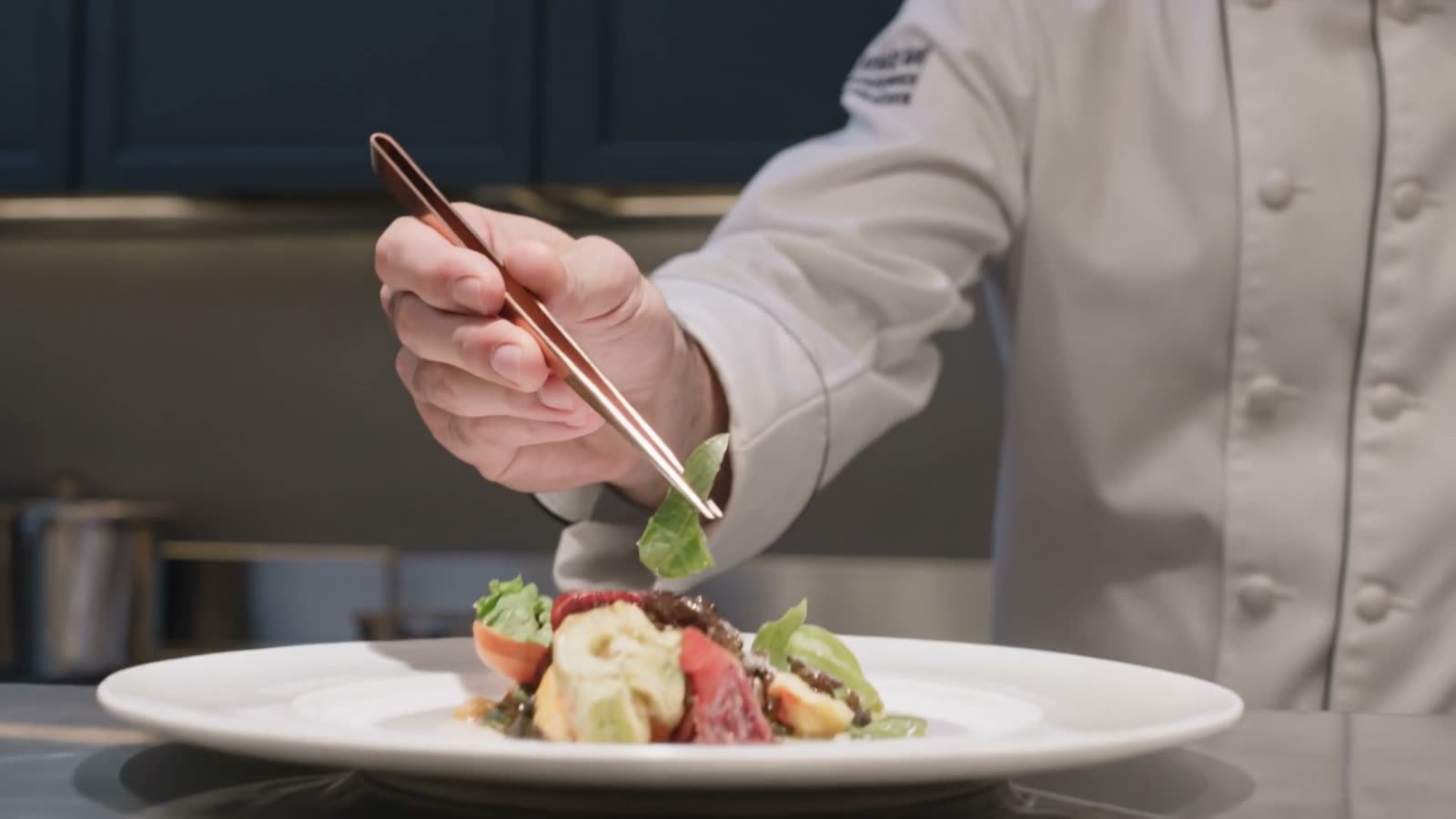
Hospitality businesses across Yorkshire and northern England are facing a familiar problem: demand can change quickly, but finding skilled people rarely happens at the same speed.
From busy hotel kitchens to gastro pub dining rooms, employers need reliable professionals who can protect service standards, support their teams and deliver a strong guest experience. Yet the roles that have the greatest impact on daily operations are often the hardest to fill across the wider hospitality industry.
UKHospitality reports that the sector continues to experience significant labour shortages, with chef vacancies remaining a particular concern. Its evidence has identified shortages ranging from 10% for head chefs to 21% for production chefs. (ukhospitality.org.uk)
The challenge does not stop in the kitchen. Front-of-house managers, restaurant managers, guest services teams and general managers are also in high demand. These roles require a combination of technical knowledge, leadership, commercial awareness and the ability to stay calm under pressure.
Why hospitality talent shortages remain difficult
Recruitment challenges are caused by more than a lack of applications. Many hospitality businesses are competing for the same experienced professionals, especially during peak trading periods, seasonal demand and local events.
Candidates are also looking more closely at what an employer offers. Pay remains important, but so are predictable rotas, career progression, supportive leadership and a positive workplace culture. Employers that cannot provide clarity may lose strong candidates before the interview stage.
At the same time, operational pressures have increased. Rising costs, changing guest expectations and tighter staffing levels mean that businesses need people who can contribute quickly. Hiring the wrong person can affect service quality, hospitality consistency, team morale and profitability.
The hospitality roles facing the biggest talent challenges
| Role | Main talent challenge | What employers need |
|---|---|---|
| Head chef | Finding experienced leaders who can manage quality, people and costs | Technical skill, menu development and strong team leadership |
| Sous chef | Recruiting dependable second-in-command professionals | Speed, consistency and the ability to lead service |
| Chef de partie | Maintaining reliable section coverage | Proven kitchen experience and good food safety standards |
| Front-of-house manager | Balancing service, people and guest expectations | Communication, organisation and commercial awareness |
| Restaurant manager | Managing performance across a busy operation | Leadership, sales focus and operational control |
| General manager | Finding candidates who can lead the whole business | Strategic thinking, financial understanding and team development |
A fine dining restaurant may need a chef with advanced technical ability and experience in a demanding kitchen. A hotel may require someone who can manage large-volume service, banqueting, room service and changing menus. A gastro pub may value a chef who can deliver quality food and beverage service while controlling margins and leading a smaller team.
Head chefs and executive chefs
Senior chef recruitment is challenging because employers are not simply hiring for cooking ability. They need someone who can:
- Lead, train and retain a kitchen team
- Maintain food quality during busy service
- Manage stock, waste and food costs
- Work with suppliers and senior management
- Develop menus that reflect the venue’s identity and core values
- Maintain food safety and operational standards
The strongest candidates are often already in work, which means they may not be actively searching through job boards. Reaching them requires industry relationships, informed conversations and a clear understanding of what makes a role attractive.
DISH Hospitality brings practical kitchen knowledge to senior recruitment through founder Eddy Nuttall’s background in Michelin kitchens and hospitality leadership. This experience helps the team understand the difference between a candidate who looks suitable on paper and one who can genuinely perform in a specific operation.
Sous chefs and chef de parties
Sous chefs are vital to daily kitchen performance. They often act as the link between the head chef and the wider team, taking responsibility for service, standards and staff development.
Chef de parties are equally important. A gap on one section can slow down the entire kitchen, especially when the business is operating at full capacity. Employers need people who can step into a role with limited supervision and work effectively within the existing brigade.
DISH Hospitality’s permanent recruitment service includes experienced chefs for hotels, restaurants and gastro pubs, as well as chef de parties with relevant industry experience and current food safety certification. Explore permanent chef recruitment.
Front-of-house managers are essential to the guest experience
Front-of-house recruitment can be underestimated because the role involves much more than greeting guests or supervising a shift.
A strong front-of-house manager must coordinate people, timing and communication across the entire guest journey. They may deal with bookings, complaints, staffing changes, sales targets, service standards and communication with the kitchen, all within the same shift.
This makes the role difficult to fill. Employers need candidates with the right balance of confidence and empathy. They must be able to make decisions quickly while still creating a welcoming experience for guests and a supportive environment for staff.
Front-of-house managers also need to understand the commercial side of hospitality. Increasing spend per head, managing labour costs and encouraging repeat visits can support customer satisfaction and customer loyalty, and are all part of the role.
DISH Hospitality recruits for duty managers, restaurant managers, assistant general managers, night managers and kitchen managers. This allows employers to access candidates with different levels of experience and operational expertise. View front-of-house and management recruitment options.
General managers are difficult to replace
The general manager is often the central point of responsibility within a hotel, restaurant or gastro pub. They must bring together operations, people, finance, guest satisfaction and business performance.
This role is particularly difficult to recruit because successful candidates need broad experience. A general manager may be expected to:
- Lead multiple departments
- Manage budgets and labour costs
- Improve sales and profitability
- Recruit and develop managers
- Maintain brand and service standards
- Respond to guest feedback
- Build strong supplier and community relationships
- Support the owner or senior leadership team
The best general managers combine commercial judgement with visible leadership. They understand the numbers, but they also know how to motivate a team during a difficult service and create a strong sense of purpose.
A poor fit can be costly. If a general manager lacks the right leadership style or does not understand the venue’s culture, the effects can spread across the operation. Staff turnover may increase, guest satisfaction scores may fall and senior leaders may become more involved in daily firefighting.
For this reason, general manager recruitment should focus on long-term fit rather than simply filling an urgent vacancy.
Seasonal and event roles create extra pressure
Seasonal hospitality venues and event catering companies face a different type of recruitment challenge. They may need to build a large team within a short period, often before demand is fully predictable.
The roles can include:
- Temporary chefs
- Kitchen porters
- Waiting staff
- Bar staff
- Supervisors
- Event managers
- Banqueting managers
Speed matters, but reliability matters just as much. A candidate who accepts a shift but is not prepared for the pace of the operation can create further pressure for the permanent team.
A dependable temporary workforce gives businesses more flexibility. It can help cover sickness, annual leave, unexpected demand and short-term vacancies without forcing permanent employees to work excessive hours.
DISH Hospitality supports a live temporary workforce of more than 50 professionals each week, including chefs and front-of-house staff. This provides hospitality businesses with access to people who can support immediate operational needs across Yorkshire and northern England.
Why traditional recruitment approaches are no longer enough
Posting a vacancy and waiting for applications may work for some roles, but it is rarely enough for specialist or senior hospitality positions.
Businesses now need a recruitment process that combines:
- Industry knowledge
- A strong candidate network
- Fast communication
- Accurate role matching
- Clear expectations
- Ongoing feedback
- Flexible temporary support
Technology also has an important role to play. Real-time updates can help candidates stay informed about opportunities and allow employers to respond more quickly when staffing needs change.
However, technology works best when it supports personal service. Hospitality recruitment is built on trust, and a system cannot replace the value of speaking with someone who understands the venue, the role and the candidate.
Temporary staffing can support permanent recruitment
Temporary work is not only a short-term solution. It can also help businesses identify people who may be suitable for permanent roles.
A temporary shift gives employers the opportunity to see how a candidate performs in a real working environment. It can reveal their communication style, reliability, technical ability and ability to work with the existing team.
Candidates benefit too. They can experience the venue before committing to a permanent position and decide whether the working environment matches their goals.
This temp-to-perm approach can reduce recruitment risk when it is managed properly. Employers should set clear expectations, provide feedback quickly and agree how a successful temporary placement could develop into a permanent opportunity.
How hospitality employers can improve their recruitment results
Define the role clearly
A job title is not enough. Employers should explain the working pattern, team structure, salary, responsibilities, progression opportunities and expectations around service.
Clear individual responsibilities and information help attract better-matched candidates and reduce early dropouts.
Recruit for potential as well as experience
Experience is important, but it should not be the only consideration. A candidate with strong communication skills, a positive attitude and a willingness to learn may become a valuable long-term team member.
This is particularly relevant for junior chefs, supervisors and future managers. Understanding hospitality team member strengths can help employers build a stronger hospitality team.
Make decisions quickly
Skilled candidates are often considering several opportunities at once. Delays can lead to lost applicants, especially for urgent kitchen and management roles.
A simple process with clear interview stages and prompt feedback can improve the candidate experience.
Strengthen retention
Recruitment and retention are closely connected. Businesses should review rotas, management styles, training, progression and workload if they want people to stay.
A strong employee experience makes recruitment easier because existing team members are more likely to recommend the business to others.
Build a flexible staffing plan
Temporary professionals can provide cover during busy periods and protect permanent employees from burnout. They can also give businesses time to recruit carefully for important permanent positions.
A more effective approach to hospitality staffing
The most successful hospitality employers are moving away from reactive recruitment. Instead, they are building relationships with candidates before a vacancy becomes urgent.
That could involve maintaining contact with experienced chefs, identifying future managers, using temporary shifts to assess fit and creating clear routes into permanent employment.
For employers, this creates a wider and more dependable talent pipeline. For candidates, it provides more choice and better support when deciding on their next move.
DISH Hospitality combines more than 30 years of industry expertise with a database of over 4,000 candidates. Its services cover temporary staffing, permanent placements, chef recruitment, front-of-house recruitment and senior hospitality appointments across Yorkshire and northern England. Find out more about DISH Hospitality.
The future of hospitality recruitment
The hospitality roles facing the greatest talent challenges are also the roles that have the greatest influence on business performance.
Chefs protect food quality and kitchen culture. Front-of-house managers shape the guest experience. General managers connect people, operations and commercial results.
Finding these professionals requires more than filling a gap on the rota. It requires a recruitment partner that understands the realities of hospitality and can combine specialist knowledge with modern technology.
With the right approach, businesses can access temporary support when they need it, make better permanent appointments and create stronger career opportunities for hospitality professionals. Consistency builds trust, and a strong hospitality team can deliver reliable service, high-quality service and exceptional guest experiences.