A memorable guest experience is about more than attractive interiors, quality food or efficient service. It is shaped by how guests feel at each stage of their visit, from the first welcome to the final goodbye.
Guests notice whether they feel recognised, comfortable and in control. They also remember the moments that create the strongest emotional response. Understanding guest emotions and these psychological factors can help hospitality businesses turn a satisfactory visit into a memorable guest experience that guests want to repeat and recommend, leading to positive reviews and repeat visits.
First impressions shape the rest of the experience
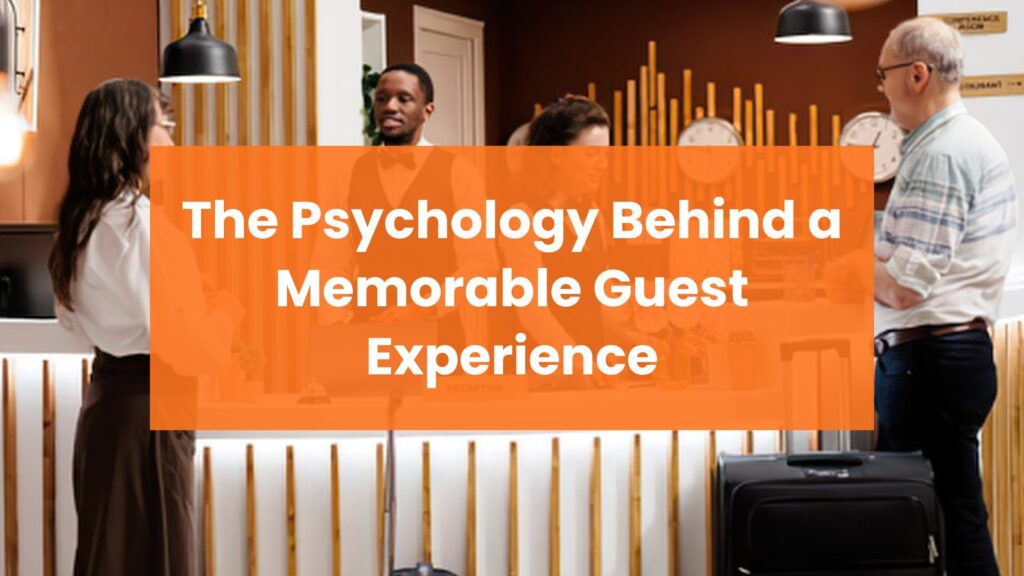
The guest experience begins before the first course arrives. It starts when a guest enters the venue, meets a member of staff, checks in or approaches the reception desk.
A warm greeting, confident body language and clear communication can create an early sense of trust. In contrast, confusion, long waits or an unwelcoming interaction may make guests more alert to later problems. These first impressions can influence hotel guest decisions and hotel guest choices throughout the entire stay.
Recent hospitality research examining more than 5,000 hotel stays found that first impressions, key moments and final impressions all influence satisfaction with the overall experience. (ideas.repec.org)
This does not mean every first interaction must be elaborate. Often, small actions make the biggest difference:
- Acknowledge guests quickly, even when the team is busy.
- Use a friendly and professional tone.
- Explain what will happen next.
- Show confidence when answering questions.
- Avoid making guests feel ignored or uncertain.
A well-trained front-of-house team can establish the right emotional tone before the main service has even started. This crucial role in shaping the hospitality experience is one reason hoteliers invest in staff training.
Guests remember emotional peaks
People do not always remember every detail of an experience equally. Instead, certain moments become more prominent in memory. These may include a remarkable dish, a thoughtful recommendation, a birthday surprise or an especially personal interaction.
This is often linked to the peak-end rule, which suggests that people’s overall memories can be strongly influenced by the most emotionally intense moment and the way an experience ends. Research in service settings has found that peak and final moments can affect how customers evaluate the whole experience. (doi.org)
For hospitality businesses, the lesson is not to create a dramatic event for every guest. It is to identify opportunities for meaningful moments that create positive emotions and emotional attachment.
A peak experience might be:
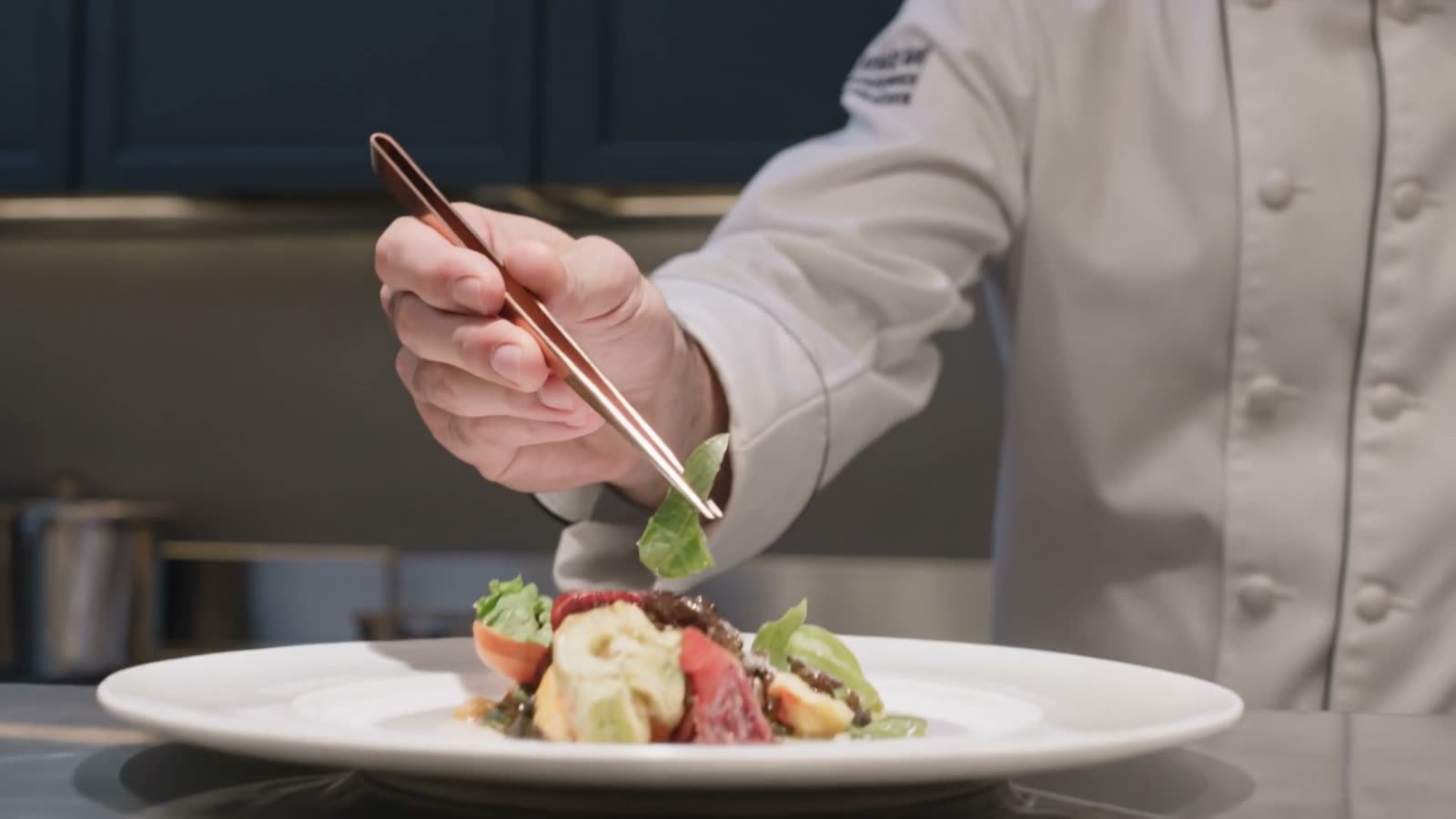
- A chef explaining the story behind a dish.
- A team member remembering a returning guest’s preference.
- A thoughtful solution for a dietary requirement.
- A complimentary gesture for a special occasion.
- A manager personally checking that an issue has been resolved.
Personalisation is particularly powerful because it makes a guest feel seen rather than processed. A personalised experience can strengthen the personal connection between guests and a venue.
The final interaction can influence the lasting memory
The end of a guest experience deserves as much attention as the beginning. A rushed goodbye, unclear bill or difficult departure can weaken an otherwise positive visit.
By contrast, a warm farewell can reinforce the guest’s sense that they were valued. This could be as simple as thanking them sincerely, asking whether they enjoyed their visit or inviting them to return. These final moments can influence positive reviews, return visits and the likelihood that potential guests will choose the business.
The final interaction should feel genuine rather than scripted. Staff should have enough time and confidence to close the experience properly, even during busy periods.
For hotels, this may involve a smooth check-out and a helpful final recommendation. For restaurants and gastro pubs, it may mean an attentive payment process and a personal goodbye at the door. For event venues, it could involve clear guidance as guests leave and a final check that their needs have been met.
Feeling in control reduces guest anxiety
Hospitality environments can sometimes create uncertainty. Guests may not know how long they will wait, whether their booking is correct, what a menu item includes or how an issue will be handled.
Clear communication helps restore a sense of control. Even when a delay or problem cannot be avoided, explaining the situation can make it easier for guests to understand what is happening and support increased guest satisfaction.
Practical examples include:
- Giving realistic waiting times.
- Explaining delays before guests need to ask.
- Offering clear menu descriptions.
- Confirming booking details.
- Providing suitable alternatives when something is unavailable.
- Updating guests rather than leaving them waiting without information.
Research into service recovery suggests that guests respond to failures based on factors such as responsiveness, fairness and the quality of the solution offered. (sciencedirect.com)
A well-managed problem may not be remembered as a failure. It may instead become evidence that the business cares about resolving issues properly and understands guest behavior satisfaction.
Service recovery should feel personal and fair
Mistakes happen in every hospitality business. Orders can be delayed, rooms may not be ready and communication can break down during busy services.
The psychological response to a problem often depends on how the business reacts. A vague apology or defensive response can increase frustration. A calm, personal and practical response can reduce it by showing kindness, comfort and genuine care.
Effective service recovery usually includes:
- Listening without interrupting.
- Acknowledging the inconvenience.
- Taking ownership of the issue.
- Explaining what will happen next.
- Following through quickly.
- Checking that the guest is satisfied with the outcome.
The solution should also feel fair. A large gesture is not always necessary, and an inappropriate gesture can even feel out of place. Research into recovery experiences indicates that perceptions of fairness play an important role in how guests respond to different recovery approaches. (sciencedirect.com)
The best response is often the one that matches the guest’s situation and shows genuine attention. When handled well, service recovery can foster loyalty and support a successful hotel business.
Staff behaviour shapes the emotional atmosphere
Guests do not only respond to what staff say. They also notice energy, attentiveness, confidence and teamwork. These emotional triggers can shape how guests interpret the entire hospitality experience.
When a team is calm and coordinated, guests are more likely to feel comfortable. When employees appear overwhelmed, unsupported or uncertain, that tension can become part of the guest experience.
This is why recruitment and workforce planning are closely connected to customer experience. A venue may have excellent systems, but those systems depend on people who can deliver them consistently. Hospitality psychology recognises that staff behaviour can influence guest emotions as much as the physical environment.
A strong guest experience requires staff who can:
- Communicate clearly.
- Stay composed under pressure.
- Notice guest needs.
- Work well with colleagues.
- Adapt to unexpected situations.
- Show emotional intelligence.
- Protect the standards of the venue.
For employers, this means looking beyond technical ability. The right chef, front-of-house professional or manager must also fit the culture and pace of the establishment.
Consistency creates trust
Memorable hospitality should not depend entirely on one outstanding employee or one particularly quiet service. Guests build trust when the experience feels reliable each time they visit, creating memorable stays and encouraging repeat visits.
Consistency includes:
- Similar standards across different shifts.
- Accurate information from different team members.
- Reliable food and drink quality.
- Clear processes for complaints and special requests.
- A consistent tone of service.
- Strong communication between the kitchen and front of house.
Permanent employees can help develop this consistency because they become familiar with the venue, its guests and its service expectations. Temporary professionals also play an important role when they are properly briefed and matched to the environment.
DISH Hospitality supports businesses with both permanent recruitment and temporary staffing, including chefs, front-of-house professionals and managers. Its approach combines hospitality experience with technology-enabled recruitment and a database of more than 4,000 professionals. (dishhospitality.co.uk)
How to apply guest psychology in your venue
| Psychological factor | What guests need | Practical action |
|---|---|---|
| First impressions | Recognition and reassurance | Greet guests quickly and explain the next step |
| Emotional peaks | A memorable moment | Personalise recommendations or celebrate special occasions |
| Sense of control | Clarity and certainty | Communicate delays, changes and waiting times |
| Service recovery | Fairness and ownership | Apologise, act quickly and follow up |
| Consistency | Reliability | Train teams around shared service standards |
| Personal connection | To feel valued | Remember preferences and use natural conversation |
| Positive ending | A satisfying conclusion | Make the final interaction warm and unhurried |
The psychology behind hospitality is ultimately about human connection. Guests want to feel welcome, understood and confident that their needs matter. This personal connection plays a vital role in the hotel industry, from independent venues to luxury hotels.
Technology can help businesses recruit, communicate and manage their workforce more effectively. However, the human interaction remains at the centre of the experience. Skilled chefs create confidence through consistency and quality, while strong front-of-house teams shape the atmosphere through communication and care. Together, they help create a well-designed hotel environment and tailored services that respond to individual needs.
DISH Hospitality provides temporary staffing for immediate, seasonal and short-term requirements, as well as permanent recruitment for long-term team building. Its team works with hotels, restaurants, gastro pubs and event venues to match businesses with hospitality professionals who can contribute to a memorable guest experience. (dishhospitality.co.uk)
If your guest experience depends on having the right people in place, contact DISH Hospitality to discuss a staffing solution tailored to your venue.