
Premium is no longer a niche choice across many destinations. In 2026, 58% of travellers are choosing Superior or luxury rooms, a 4-percentage-point increase versus last year.
This “luxury & premium bifurcation” trend is especially pronounced in Asian markets, where travellers are more willing to pay for bigger rooms, better sleep, better service, and more personalised, bespoke experiences. For hospitality operators in the UK, that shift doesn’t just change ADR and RevPAR—it changes the service promise you’re expected to deliver, every day.
And that service promise lives or dies on staffing.
Why this matters now: premium guests expect premium execution
When more guests trade up, the hotel (and the wider guest journey) moves from “clean and efficient” to “noticeably exceptional”. The gap between a good stay and a five-star feeling is rarely the decor alone—it’s the speed, confidence, and consistency of the team.
Premium guests typically place higher value on:
- Fast, calm check-in and issue resolution
- Strong product knowledge (rooms, wine, allergens, local recommendations)
- Elevated breakfast and dining experiences
- Immaculate room standards with fewer “misses”
- A sense of tailored service rather than generic scripts (including help coordinating award-winning luxury holidays and local experiences when asked)
That raises the baseline for front-of-house, housekeeping coordination, and kitchen performance, even on midweek dates that used to be operationally “easy”.
The operational ripple effect: where premium room demand hits hardest
A rising share of Superior and luxury rooms creates pressure points across the operation—not only where you’d expect.
Front-of-house: service confidence becomes a revenue lever
Premium guests tend to ask more questions and expect cleaner handovers between teams. If the reception or restaurant team lacks confidence, small moments become friction points.
Key staffing implications include:
- More experienced supervisors on shift (not just a rota full of juniors)
- Stronger coverage at peak arrival windows
- Higher expectation of polished presentation and communication
- Clear handling of rate/value conversations (e.g., explaining packages, upgrades, and hotel best rate positioning without sounding defensive)
Kitchens: elevated expectations extend beyond the room
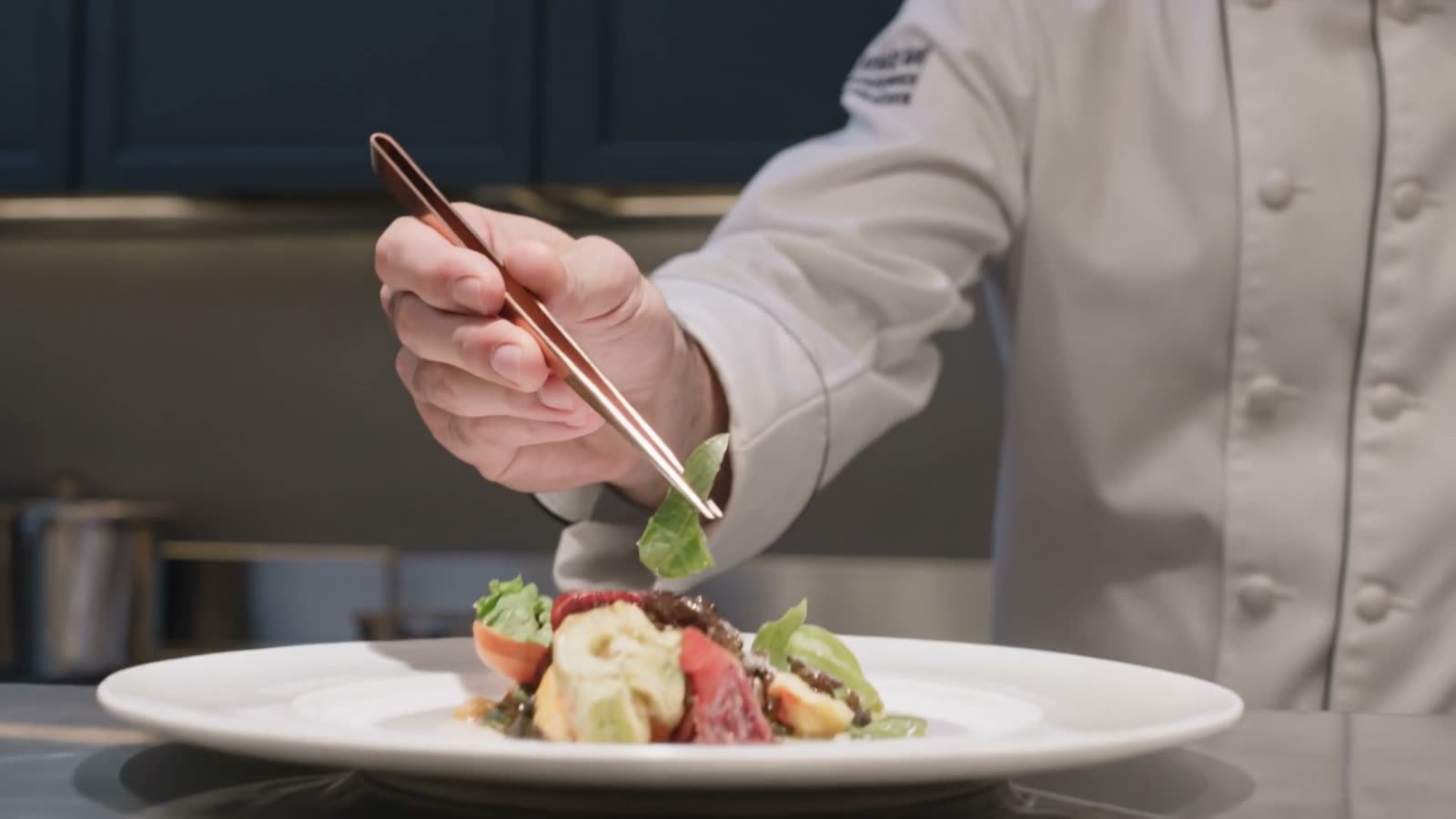
Even when the room is the headline, food is often the most reviewed part of the stay. Premium travellers are also more likely to add on breakfast, bar, and dining.
That drives demand for:
- Reliable chef cover for short-notice spikes
- Strong CDP-level capability (not just entry-level prep)
- Consistency across busy services, not “hero shifts” that burn the brigade out
Housekeeping and standards: fewer rooms, higher scrutiny
A luxury room is judged differently. Guests notice details, and they notice them quickly.
That typically means:
- More time per room and higher standards of finish
- Better coordination between housekeeping and reception for readiness promises
- Higher cost of errors (a complaint in a premium room escalates faster)
Why the Asian market shift is particularly important for UK operators
The stronger premium shift in Asian markets matters because it often brings clear service expectations shaped by high-standard hospitality at home. Many travellers also prioritise:
- Smooth, respectful interactions
- Efficiency without feeling rushed
- High-quality breakfast experiences
- Strong brand consistency across properties (especially where luxury brands loyalty programs shape expectations around recognition and perks)
It’s also increasingly common for guests to be travelling on multi-stop itineraries—antarctica asia europe loops, or long-haul routes that combine leisure and business—bringing a sharper comparison set to every stay. You may see inbound premium travellers via a wide mix of markets and routes, including cambodia china india, bhutan, borneo, indonesia, malaysia, the philippines, and premium leisure “add-ons” like israel japan jordan laos macau.
And on the long-haul leisure side, UK operators can also feel premium expectations from travellers connecting through (or originating in) African and Indian Ocean markets—seychelles south africa tanzania, zanzibar, mauritius morocco, mozambique namibia rwanda, madagascar malawi, and broader flows spanning botswana congo egypt ethiopia kenya (and, to a lesser extent, uganda zambia zimbabwe). Even more niche trip-types—like those researching polar travel (think arctic circle browse, zimbabwe arctic circle, or antarctica canada finland greenland iceland norway)—tend to correlate with higher service expectations and a lower tolerance for operational “wobble”.
If your hotel, restaurant, or gastro pub relies on inbound travel—directly or via regional tourism—the premium expectation can show up in Yorkshire and the North just as sharply as in London.
Staffing strategy for premium demand: build flexibility without lowering standards
The most common operational mistake is treating premium demand as “just more volume”. It’s not. It’s higher expectation at the same time as higher volatility (late bookings, short stays, weekend peaks, event-driven surges).
A better approach is to combine:
- A stable core team for culture and consistency
- A reliable temporary bench to protect standards when demand spikes
- A targeted permanent hiring plan for the roles that shape guest perception most
What “premium-ready staffing” looks like in practice
| Operational area | Typical premium pressure point | Staffing response that protects standards |
|---|---|---|
| Reception / FOH | Peaks at arrival times, higher service expectations | Add experienced FOH cover and supervisors during known peak windows |
| Kitchen | Breakfast and dinner become more review-sensitive | Use proven chefs for surge cover; protect core brigade from burnout |
| Housekeeping | Higher scrutiny, fewer acceptable misses | Schedule for quality, not just speed; ensure room readiness promises are realistic |
| Events / private dining | Premium guests add experiences | Keep a flexible team for banqueting, set menus, and last-minute changes |
DISH Hospitality supports hospitality businesses across Yorkshire and northern England with tailored staffing solutions built for exactly this kind of market shift:
- Temporary staffing for immediate cover, with a live temporary workforce deployed weekly
- Permanent placements for long-term stability in key roles
- Specialist chef recruitment, informed by founder Eddy Nuttall’s Michelin-level kitchen background
- Front-of-house staffing that prioritises professionalism and guest experience
- Tech-driven workforce management, designed to support real-time updates and faster matching
The goal is simple: protect guest experience when the market trades up—and help your operation keep pace without over-hiring or stretching managers thin.
Practical next steps: prepare for premium demand without overcomplicating it
If you’re seeing more Superior/luxury bookings—or you expect more premium travellers this season—these actions typically deliver the fastest impact:
- Identify your “premium moments” (arrival window, breakfast, dinner service, room readiness).
- Stabilise the roles that shape perception (FOH leads, key chef stations, housekeeping leads).
- Build a flexible staffing layer so you can absorb spikes without dropping standards.
- Use data from the rota and bookings to plan cover around patterns, not panic.
Premium demand is a revenue opportunity—but only if the service experience matches the rate. In 2026, with more travellers trading up, staffing is no longer just an operational cost. It’s your most direct route to repeat bookings, better reviews, and a stronger brand in an increasingly premium-led market—especially as premium travellers’ reference points now include everything from maldives mauritius mongolia myanmar nepal oman papua new guinea to the best-run city hotels worldwide.