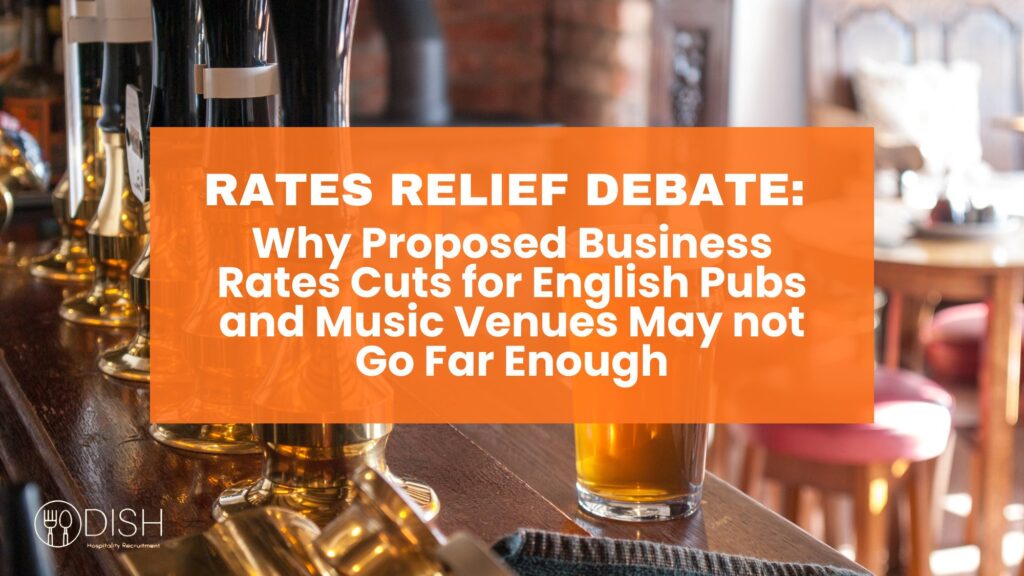
The Government’s latest business rates package offers some welcome relief for pubs, clubs and live music venues across England. However, critics argue that the measures may not be enough to offset higher energy bills, food costs, wages, insurance and other operating expenses affecting high street businesses.
The debate is especially important for hospitality businesses working with tight margins. A lower rates bill can help protect cash flow, but it does not solve every challenge facing operators, chefs and front-of-house teams. Other business rates discounts, including rural rate relief and small business relief 2026, may also be relevant to eligible ratepayers.
For hotels, restaurants, gastro pubs and event venues, the wider question is clear: how can businesses continue to deliver high standards while controlling costs and retaining skilled staff?
What has the Government announced?
From April 2026, eligible pubs and live music venues in England have received 15% relief on their business rates bills for the 2026/27 financial year. The Government also plans a further 20% cut for pubs, clubs and live music venues from April 2027. The new package is expected to support around 32,000 venues, with a typical pub forecast to save approximately £1,100 in the first year. (gov.uk)
The relief forms part of wider changes to the current business rate system. From April 2026, lower multipliers were introduced for many retail, hospitality and leisure properties with a rateable value below £500,000. Eligible pubs and live music venues also benefit from additional support, while their bills are expected to be protected from increases above inflation between April 2027 and March 2029. (gov.uk)
These measures are designed to give venues more certainty. They may also help businesses plan recruitment, investment and refurbishment with greater confidence, supporting local businesses and town centres. However, the practical impact will vary depending on each venue’s rateable value, location, size and other reliefs.
Ratepayers should also check whether they qualify for the SBRR discount, mandatory rate relief, charitable rate relief, hardship relief or a local discount scheme retail businesses may be able to access. Other arrangements can apply to a part-occupied property, a listed building or premises used for charitable purposes. The relevant criteria and original application process can vary by council.
Why are critics calling for more support?
Business rates are only one part of the cost base for a hospitality business. Operators also face pressure from energy, food, rent, insurance, employer costs and compliance requirements.
The Bank of England’s July 2026 Agents’ Summary reported that cost pressures were particularly high in hospitality, with higher food and energy prices affecting consumer-facing businesses. The British Chambers of Commerce also warned that years of Brexit-related disruption, the pandemic, rising energy bills and wider geopolitical pressures have pushed costs to record levels for many businesses. (bankofengland.co.uk)
For a small pub or typical shop, a rates reduction may save money each year, but that saving can quickly be absorbed by:
- Higher electricity and gas bills
- Increased food and drink costs
- Wage increases and employer National Insurance
- Rising insurance and finance costs
- Repairs, equipment and maintenance
- Recruitment and staff retention
- Reduced customer spending during periods of financial pressure
This is why some business owners see the latest relief as helpful but incomplete. Tim Martin, founder of JD Wetherspoon, described the proposed reduction as a step in the right direction while calling for action on VAT. Other critics, including Conservative MP Sir Gavin Williamson, have argued that hospitality needs a broader package covering taxation, energy and employment costs. (theguardian.com)
The 20% to 50% headline needs clarification
Discussion around business rates relief has included figures ranging from 20% to 50%. However, the confirmed national measures for English pubs and live music venues are a 15% relief for 2026/27 and a further 20% cut from April 2027.
There is no confirmed nationwide 50% business rates cut for all English pubs and music venues in the Government announcements currently available. The 50% figure may refer to other relief schemes, local support, earlier proposals or the scale of concern expressed by businesses about rising costs. Operators should therefore check their own council bill and the official eligibility rules rather than rely on headline percentages. (gov.uk)
This distinction matters because the percentage reduction applies to the business rates bill, not to the full cost of running a venue. A 20% reduction in rates will not reduce energy prices, supplier charges or payroll costs by 20%.
Businesses should review their council’s business rates page and speak to the business rates team if they are unsure whether an existing discount, the supporting small business scheme, film studio relief or another government initiative applies. For example, ratepayers dealing with Guildford Borough Council should confirm how the relief appears on their bill and whether a separate application is required.
What does this mean for chefs and hospitality teams?
Cost pressure can have a direct effect on staffing. When margins tighten, businesses may reduce opening hours, simplify menus, delay recruitment or rely more heavily on smaller teams. That can increase pressure on chefs, kitchen porters, waiting staff, bar teams and managers.
Understaffing can also create hidden costs. Longer shifts, increased overtime, lower morale and inconsistent service may affect customer reviews and repeat bookings. In busy venues, one unexpected absence can quickly affect the entire operation.
This is where flexible recruitment can support cost control without compromising service. Temporary staffing allows businesses to bring in trained professionals for peak periods, events, seasonal demand and short-term absences. It can also reduce the pressure to maintain a larger permanent workforce when demand changes from week to week, helping protect jobs.
DISH Hospitality provides temporary staffing solutions for hospitality businesses across Yorkshire and northern England. Its live temporary workforce includes more than 50 professionals, helping hotels, restaurants, gastro pubs and event venues respond quickly when additional support is needed.
Why recruitment strategy matters during a cost squeeze
Hospitality businesses cannot always cut their way to success. They also need to protect the areas that drive revenue, including food quality, service standards and guest satisfaction.
A well-planned recruitment strategy can help operators use labour more effectively. This may include:
- Using temporary chefs during peak trading periods
- Building a reliable pool of front-of-house professionals
- Reviewing rotas against actual demand
- Recruiting permanent managers for greater operational consistency
- Using temporary roles to assess candidates before making permanent offers
- Planning seasonal recruitment well before demand increases
DISH Hospitality supports both permanent recruitment and temporary placements. The agency recruits chefs, managers and front-of-house professionals, with a focus on matching each candidate to the needs, culture and service style of the business.
The wider concern for hotels and restaurants
The latest rates package is focused on pubs, clubs and live music venues. Hotels and many restaurants may not receive the same level of targeted support, even though they face similar challenges around energy, labour and food inflation.
Grant Thornton noted that pubs have received two rounds of targeted relief, while hotels and restaurants continue to face significant cost pressures. This creates concern that support may be uneven across the hospitality sector, including property-intensive sectors. (grantthornton.co.uk)
For privately owned hotels, restaurants and gastro pubs, the result may be greater competition for customers and employees. Businesses that receive relief may use the additional cash flow to invest in menus, marketing, maintenance, high street investment or staffing. Those outside the scheme may need to find other ways to protect margins and remain competitive.
RHL Properties and other property owners also need to understand how the new system could affect occupancy, rent negotiations and the viability of local high streets. This includes considering how a business property – like independent retailers, a post office or a general store – may be affected by changes to the multiplier and eligibility rules.
Relief is useful, but stability is the real goal
Business rates relief can provide valuable breathing space. It may help a venue manage short-term cash flow, maintain employment or avoid reducing services. For some operators, even a modest annual saving could make a meaningful difference.
However, the sector needs more than temporary relief. Hospitality businesses also need predictable tax policy, manageable energy costs, access to skilled workers and a recruitment market that can respond quickly to changing demand.
Many business owners believe the outdated business rate system needs deeper reforms, including permanent lower tax rates and greater government flexibility. Making relief available through a clear exemption or reduction could help more local businesses plan for the future.
For chefs and hospitality professionals, a stable business environment can create better opportunities. Stronger venues are more likely to invest in training, career progression and permanent roles. Businesses that plan their workforce carefully can protect both customer experience and employee wellbeing.
The rates debate is therefore not only about tax. It is about whether hospitality businesses have the financial confidence to keep investing in people, jobs and the future of town centres.
How DISH Hospitality can support your workforce
DISH Hospitality helps hospitality employers find skilled professionals for both immediate and long-term needs. Its services include temporary staffing, permanent recruitment, chef recruitment and front-of-house placements.
With more than 30 years of industry expertise, a database of over 4,000 candidates and technology that provides real-time updates on available professionals, DISH Hospitality offers a practical way to respond to changing workforce demands.
Whether you need a temporary chef for a busy weekend, an experienced front-of-house team for an event or a permanent executive chef for a growing operation, speak to DISH Hospitality about a tailored staffing solution.
The debate is especially important for hospitality businesses working with tight margins. A lower rates bill can help protect cash flow, but it does not solve every challenge facing operators, chefs and front-of-house teams.
For hotels, restaurants, gastro pubs and event venues, the wider question is clear: how can businesses continue to deliver high standards while controlling costs and retaining skilled staff?
What has the Government announced?
From April 2026, eligible pubs and live music venues in England have received 15% relief on their business rates bills for the 2026/27 financial year. The Government also plans a further 20% cut for pubs, clubs and live music venues from April 2027. The new package is expected to support around 32,000 venues, with a typical pub forecast to save approximately £1,100 in the first year. (gov.uk)
The relief forms part of wider changes to the current business rate system. From April 2026, lower multipliers were introduced for many retail, hospitality and leisure properties with a rateable value below £500,000. Eligible pubs and live music venues also benefit from additional support, while their bills are expected to be protected from increases above inflation between April 2027 and March 2029. (gov.uk)
These measures are designed to give venues more certainty. They may also help businesses plan recruitment, investment and refurbishment with greater confidence, supporting local businesses and town centres. However, the practical impact will vary depending on each venue’s rateable value, location, size and other reliefs.
Why are critics calling for more support?
Business rates are only one part of the cost base for a hospitality business. Operators also face pressure from energy, food, rent, insurance, employer costs and compliance requirements.
The Bank of England’s July 2026 Agents’ Summary reported that cost pressures were particularly high in hospitality, with higher food and energy prices affecting consumer-facing businesses. The British Chambers of Commerce also warned that years of Brexit-related disruption, the pandemic, rising energy bills and wider geopolitical pressures have pushed costs to record levels for many businesses. (bankofengland.co.uk)
For a small pub or typical shop, a rates reduction may save money each year, but that saving can quickly be absorbed by:
- Higher electricity and gas bills
- Increased food and drink costs
- Wage increases and employer National Insurance
- Rising insurance and finance costs
- Repairs, equipment and maintenance
- Recruitment and staff retention
- Reduced customer spending during periods of financial pressure
This is why some business owners see the latest relief as helpful but incomplete. Tim Martin, founder of JD Wetherspoon, described the proposed reduction as a step in the right direction while calling for action on VAT. Other critics, including Conservative MP Sir Gavin Williamson, have argued that hospitality needs a broader package covering taxation, energy and employment costs. (theguardian.com)
The 20% to 50% headline needs clarification
Discussion around business rates relief has included figures ranging from 20% to 50%. However, the confirmed national measures for English pubs and live music venues are a 15% relief for 2026/27 and a further 20% cut from April 2027.
There is no confirmed nationwide 50% business rates cut for all English pubs and music venues in the Government announcements currently available. The 50% figure may refer to other relief schemes, local support, earlier proposals or the scale of concern expressed by businesses about rising costs. Operators should therefore check their own council bill and the official eligibility rules rather than rely on headline percentages. (gov.uk)
This distinction matters because the percentage reduction applies to the business rates bill, not to the full cost of running a venue. A 20% reduction in rates will not reduce energy prices, supplier charges or payroll costs by 20%.
What does this mean for chefs and hospitality teams?
Cost pressure can have a direct effect on staffing. When margins tighten, businesses may reduce opening hours, simplify menus, delay recruitment or rely more heavily on smaller teams. That can increase pressure on chefs, kitchen porters, waiting staff, bar teams and managers.
Understaffing can also create hidden costs. Longer shifts, increased overtime, lower morale and inconsistent service may affect customer reviews and repeat bookings. In busy venues, one unexpected absence can quickly affect the entire operation.
This is where flexible recruitment can support cost control without compromising service. Temporary staffing allows businesses to bring in trained professionals for peak periods, events, seasonal demand and short-term absences. It can also reduce the pressure to maintain a larger permanent workforce when demand changes from week to week, helping protect jobs.
DISH Hospitality provides temporary staffing solutions for hospitality businesses across Yorkshire and northern England. Its live temporary workforce includes more than 50 professionals, helping hotels, restaurants, gastro pubs and event venues respond quickly when additional support is needed.
Why recruitment strategy matters during a cost squeeze
Hospitality businesses cannot always cut their way to success. They also need to protect the areas that drive revenue, including food quality, service standards and guest satisfaction.
A well-planned recruitment strategy can help operators use labour more effectively. This may include:
- Using temporary chefs during peak trading periods
- Building a reliable pool of front-of-house professionals
- Reviewing rotas against actual demand
- Recruiting permanent managers for greater operational consistency
- Using temporary roles to assess candidates before making permanent offers
- Planning seasonal recruitment well before demand increases
DISH Hospitality supports both permanent recruitment and temporary placements. The agency recruits chefs, managers and front-of-house professionals, with a focus on matching each candidate to the needs, culture and service style of the business.
The wider concern for hotels and restaurants
The latest rates package is focused on pubs, clubs and live music venues. Hotels and many restaurants may not receive the same level of targeted support, even though they face similar challenges around energy, labour and food inflation.
Grant Thornton noted that pubs have received two rounds of targeted relief, while hotels and restaurants continue to face significant cost pressures. This creates concern that support may be uneven across the hospitality sector, including property-intensive sectors. (grantthornton.co.uk)
For privately owned hotels, restaurants and gastro pubs, the result may be greater competition for customers and employees. Businesses that receive relief may use the additional cash flow to invest in menus, marketing, maintenance, high street investment or staffing. Those outside the scheme may need to find other ways to protect margins and remain competitive.
RHL Properties and other property owners also need to understand how the new system could affect occupancy, rent negotiations and the viability of local high streets.
Relief is useful, but stability is the real goal
Business rates relief can provide valuable breathing space. It may help a venue manage short-term cash flow, maintain employment or avoid reducing services. For some operators, even a modest annual saving could make a meaningful difference.
However, the sector needs more than temporary relief. Hospitality businesses also need predictable tax policy, manageable energy costs, access to skilled workers and a recruitment market that can respond quickly to changing demand.
Many business owners believe the outdated business rate system needs deeper reforms, including permanent lower tax rates and greater government flexibility. Making relief available through a clear exemption or reduction could help more local businesses plan for the future.
For chefs and hospitality professionals, a stable business environment can create better opportunities. Stronger venues are more likely to invest in training, career progression and permanent roles. Businesses that plan their workforce carefully can protect both customer experience and employee wellbeing.
The rates debate is therefore not only about tax. It is about whether hospitality businesses have the financial confidence to keep investing in people, jobs and the future of town centres.
How DISH Hospitality can support your workforce
DISH Hospitality helps hospitality employers find skilled professionals for both immediate and long-term needs. Its services include temporary staffing, permanent recruitment, chef recruitment and front-of-house placements.
With more than 30 years of industry expertise, a database of over 4,000 candidates and technology that provides real-time updates on available professionals, DISH Hospitality offers a practical way to respond to changing workforce demands.
Whether you need a temporary chef for a busy weekend, an experienced front-of-house team for an event or a permanent executive chef for a growing operation, speak to DISH Hospitality about a tailored staffing solution.